





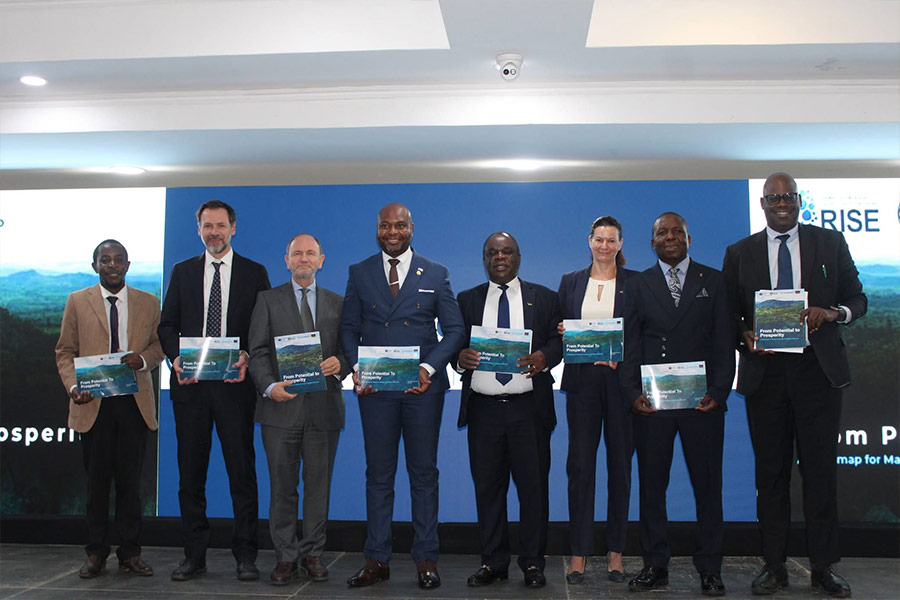
Malawi could generate more than US$30 billion in mining exports between 2026 and 2040 under a new roadmap launched by the government and the World Bank.

Malawi could generate more than US$30 billion in mining exports between 2026 and 2040 under a new roadmap launched by the government and the World Bank.

Automotive Products Limited (APL), a local Isuzu vehicle dealer, says the persistent foreign exchange shortage is severely affecting its operations, making it increasingly difficult for the company to meet growing demand for vehicles.

Africa Bitcoin Community Hub (ABCH) has asked countries and businesses to adopt new finance technologies which will assist to transform economies and businesses while also addressing the needs of the communities’ especially young people.
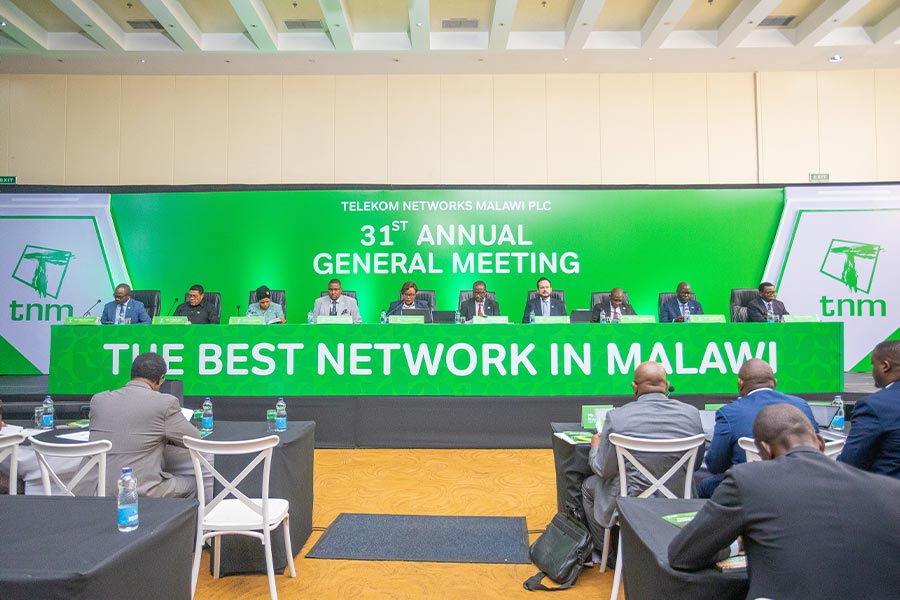
Telecom Networks Malawi (TNM) plc shareholders have approved the acquisition of Open Connect Limited (OCL), operator of a national fibre optic network, in a K11.5 billion transaction.

The Africa Rice Center (AfricaRice) and the African Agricultural Technology Foundation (AATF) have signed a five-year Memorandum of Understanding (MoU) to boost rice productivity and strengthen food security across Africa.
Page 1 of 19