









ZODIAK ONLINE
ArtBridge House, Area 47
Sect. 5, P/Bag 312
Lilongwe, Malawi
Sect. 5, P/Bag 312
Lilongwe, Malawi

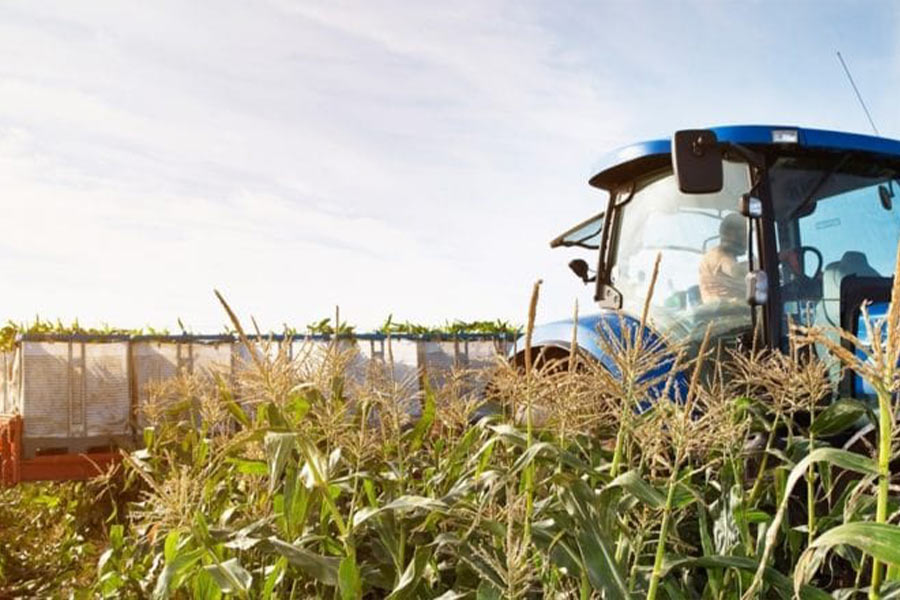
African countries have been challenged to strengthen agricultural and disaster-risk financing rather than relying heavily on emergency funding, as part of efforts to protect farmers and rural economies from climate-related shocks.
African Risk Capacity (ARC) Group Director General, Dr Jean Chrysostome Ngabitsinze, made the call following this year’s African Food Systems Forum held in Kigali, Rwanda.
Ngabitsinze emphasized that governments across the continent, including Malawi, need to move beyond emergency responses and invest in financial protection, agricultural credit and infrastructure to help farmers prepare for and recover from droughts, floods and other climate-related disasters.
He stressed that this could be achieved by establishing financing mechanisms before disasters strike, particularly through parametric insurance, which releases funds when agreed weather conditions, such as rainfall levels, reach predetermined thresholds.
According to ARC, the organization has paid out more than 170 million US dollars in parametric insurance since its establishment, providing early-response protection to over 26.4 million people across participating countries.
The call is particularly relevant to Malawi, where agriculture remains a major source of livelihoods but is highly vulnerable to climate shocks. The country has experienced devastating droughts and floods, including the 2023/24 El Niño-induced drought, which severely affected agricultural production and food security.
Agricultural economist Professor Patrick Kambewa believes the call has come at an opportune time for Malawi, as the country continues to face various challenges year after year.
Kambewa underscored the need for government to demonstrate its commitment to preparedness to ensure that assistance is available when it is needed most.
“There is a need to increase budgetary allocations towards strengthening these initiatives in national budgets. This would demonstrate the government's commitment to proper preparedness and, in turn, encourage other partners to come forward and provide support,” Kambewa said.
Malawi is already participating in ARC's disaster-risk insurance arrangements. In August 2024, the organisation paid out more than 11.6 million US dollars to the Malawi Government and its humanitarian partner, the United Nations High Commissioner for Refugees (UNHCR), to support the response to drought.
However, Ngabitsinze argues that insurance alone cannot transform the agricultural sector. He further notes that farmers need affordable credit, quality agricultural inputs, irrigation, extension services, reliable markets and improved infrastructure to sustain production and increase their incomes.
The financing challenge extends beyond individual farmers. A joint report by the Food and Agriculture Organization (FAO), the United Nations Economic Commission for Africa (UNECA), the World Food Programme (WFP) and the African Union Commission, published in April 2026, found that bank lending to agriculture accounts for less than four per cent of total credit across Africa.
Meanwhile, the new continental agricultural strategy, the CAADP Kampala Strategy and Action Plan for 2026–2035, seeks to mobilise 100 billion US dollars in investment, increase agrifood output by 45 per cent and triple intra-African trade in agricultural commodities and food products.
For Malawi, the challenge is to translate these continental commitments into accessible financing for smallholder farmers and agricultural businesses, while strengthening climate resilience, storage facilities, processing capacity and market access.
The broader message is that building resilient food systems requires more than responding to disasters after they occur. It calls for sustained investment in farmers, protection of agricultural livelihoods and mechanisms that ensure financing is available when it is needed most.
