





The opposition United Democratic Front-UDF- has reacted angrily to assertions that its President Atupele Muluzi approved allocation of Livimbo school land to a businessman, an issue that has now sparked controversy.

The opposition United Democratic Front-UDF- has reacted angrily to assertions that its President Atupele Muluzi approved allocation of Livimbo school land to a businessman, an issue that has now sparked controversy.

The Constitution Court sitting at the high court in Lilongwe has started trial of an electoral case where President of Malawi Congress Party, Lazarus Chakwera and his UTM counterpart, Saulos Chilima, want the court to nullify the May 21 elections.
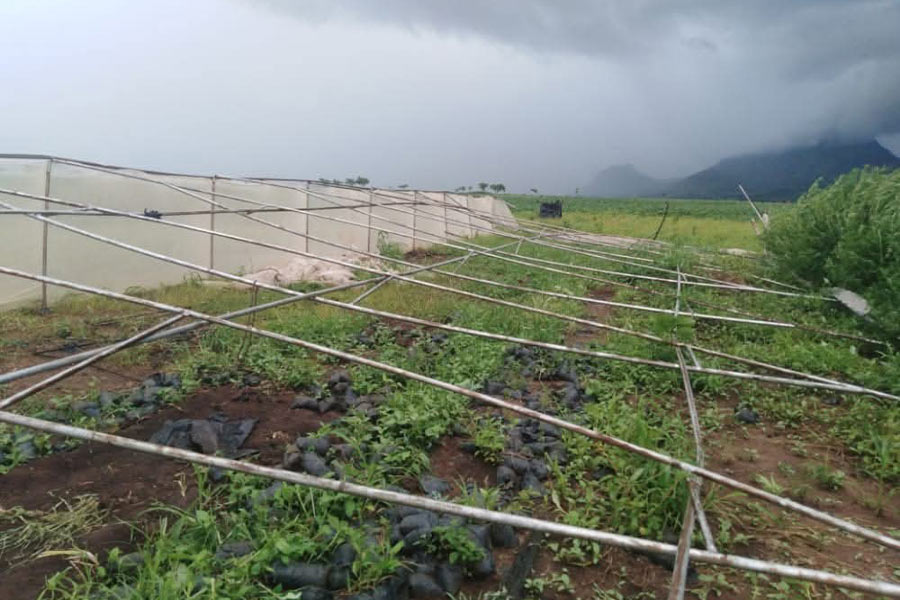
What was once hailed as Malawi’s next economic breakthrough has, for many farmers, turned into a costly illusion.
In 2021, cooperatives across the country plunged into industrial hemp farming, lured by promises that the crop—dubbed “green gold”—would rival tobacco as a top foreign-exchange earner.
With projections of up to $700 million in annual revenues, hope spread quickly from policy rooms to rural fields. For thousands of smallholder and commercial farmers, it seemed like a rare chance to escape the volatility of traditional crops and poverty.
Just a few seasons later, that promise lies in ruins.
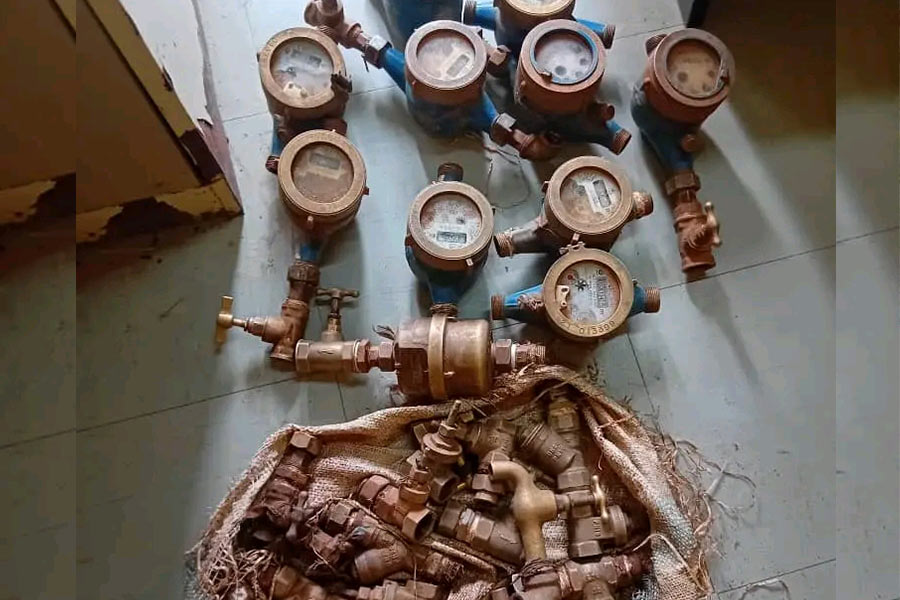
Malawi is facing rampant theft of utility equipment, such as water board meters, more than ever before.
Members of the community are turning to any metal they see, vandalizing it or stealing it to sell at scrap metal markets found in almost every corner of the towns.
The majority of those selling scrap metal are children.
Despite this, Malawi has an act that prohibits scrap metal dealers from purchasing metals from children under the age of 14.
However, this law is outdated and not being enforced.
While Malawi continues to procrastinate on implementing proper regulations, it is the water boards and communities that are suffering.
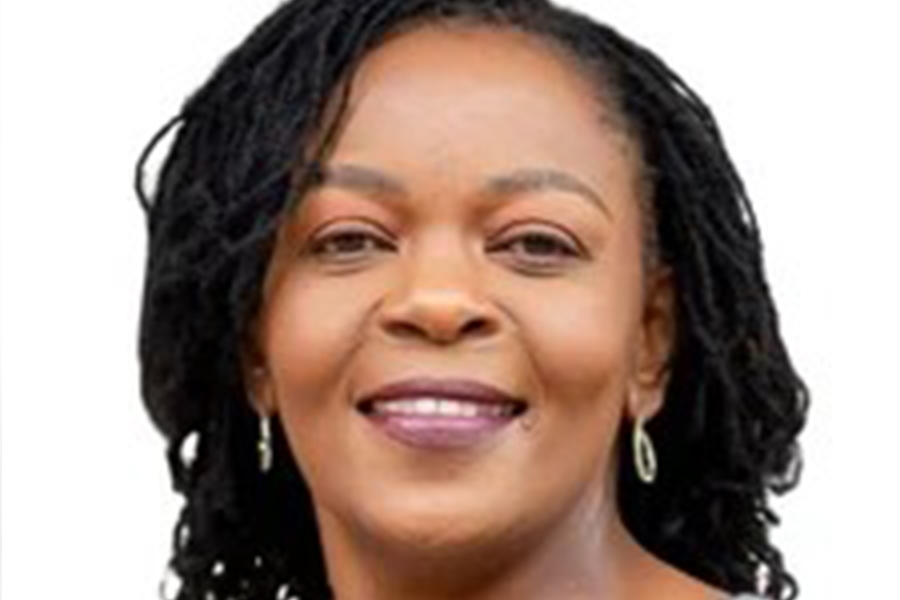
A 36-year-old Charity Waya of Nkolokosa Township in Blantyre is a frustrated lady. She is seeing her long time ambition of improving self- economic livelihood through cross-border trade, shrinking quickly.
Waya, used to import raw material from Zimbabwe to sell back home. She recalls, the profit she used to make from the business of selling school uniform cloth was enough to support her family.
But this has not been the case since the year 2022. She is no longer able to get foreign exchange especially United States Dollars and South African Rand, to keep the ball running, therefore, she closed the business.
Page 23 of 115