











ZODIAK ONLINE
ArtBridge House, Area 47
Sect. 5, P/Bag 312
Lilongwe, Malawi
Sect. 5, P/Bag 312
Lilongwe, Malawi

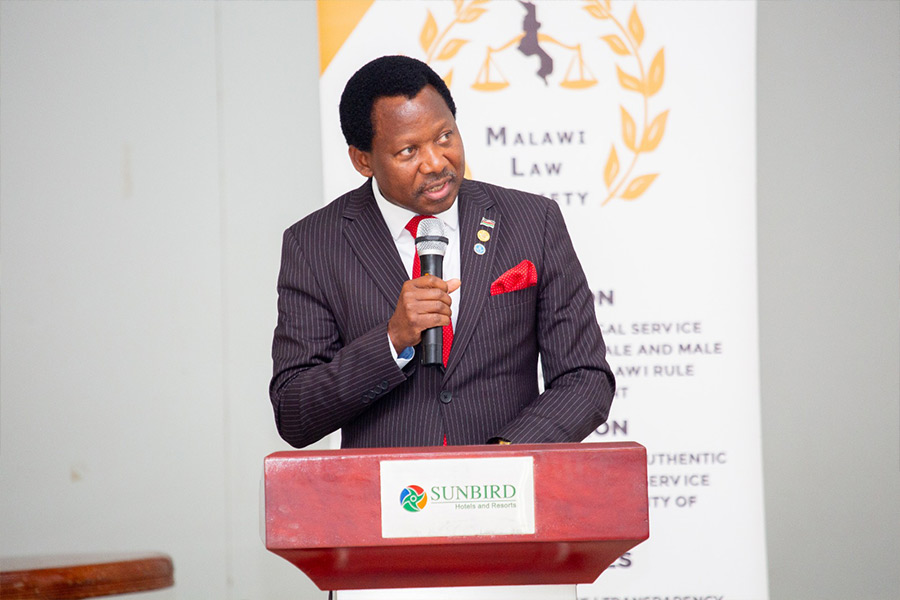
Minister of Justice Charles Mhango has called for stronger collaboration between legal and medical professionals to protect patients’ rights and ensure accountability when medical errors occur.
Mhango said the two professions must move beyond blame and defensiveness by developing a shared understanding of clinical realities, legal obligations and human rights principles.
Speaking in Lilongwe on Thursday during the opening of a joint Continuing Professional Development (CPD) meeting involving lawyers and medical practitioners, the minister said patient safety goes beyond the health sector, describing it as a justice, governance and human rights issue.
“Patient safety is not merely a medical issue; it is also a justice, governance and human rights issue. Avoidable harm affects families, weakens public confidence, and can diminish trust in both the health and justice systems,” said Mhango.
He said there was need to carefully distinguish between unavoidable adverse outcomes, system-based errors, negligence, incompetence and misconduct when dealing with medical complaints.
Mhango said while accountability is important, every adverse outcome should not automatically be treated as negligence without proper consideration of evidence, context and standards of care.
“Justice requires balance: accountability must be informed, proportionate and fair,” he said.
The minister added that lawyers must understand clinical realities while medical practitioners must appreciate the legal, ethical and human rights implications of their work.

Meanwhile, Malawi Law Society president Davies Njobvu said the engagement was important in helping the two professions understand the challenges faced by each other.
Njobvu acknowledged public frustration over healthcare outcomes but said such concerns must be considered alongside challenges affecting the health sector, including Malawi’s large population, limited numbers of doctors and available resources in hospitals.
He said while medical negligence cases require accountability, court decisions are determined by evidence presented before them.
“Cases are won or lost by either side depending on the evidence that is there,” said Njobvu.
He, however, highlighted challenges faced by lawyers handling professional negligence cases, particularly difficulties in finding medical practitioners willing to provide expert evidence against fellow professionals.
Njobvu said expert testimony from medical practitioners is critical in helping courts determine whether a healthcare provider acted according to expected professional standards.
On its part, the Medical Association of Malawi said the engagement would help create a common understanding of medical errors, their causes and how affected patients can access legal support.
The association’s president Dr. Kondwani Kawaza said medical practitioners wanted to better understand the role of legal professionals when errors occur, while ensuring that the circumstances surrounding such errors are properly considered.
He said eliminating medical errors completely would require perfect systems, adequate skills, proper training, sufficient supplies, equipment and investment.
However, Kawaza noted that medical errors can still occur even in healthcare systems with strong investments and established procedures.
He said the focus should be on understanding the causes of errors, supporting affected patients and maintaining public confidence in both medical and legal professionals.
The meeting is expected to contribute towards developing guidelines that will strengthen cooperation between the two professions, improve patient safety in health facilities and uphold dignity in the justice system.