















ZODIAK ONLINE
ArtBridge House, Area 47
Sect. 5, P/Bag 312
Lilongwe, Malawi
Sect. 5, P/Bag 312
Lilongwe, Malawi

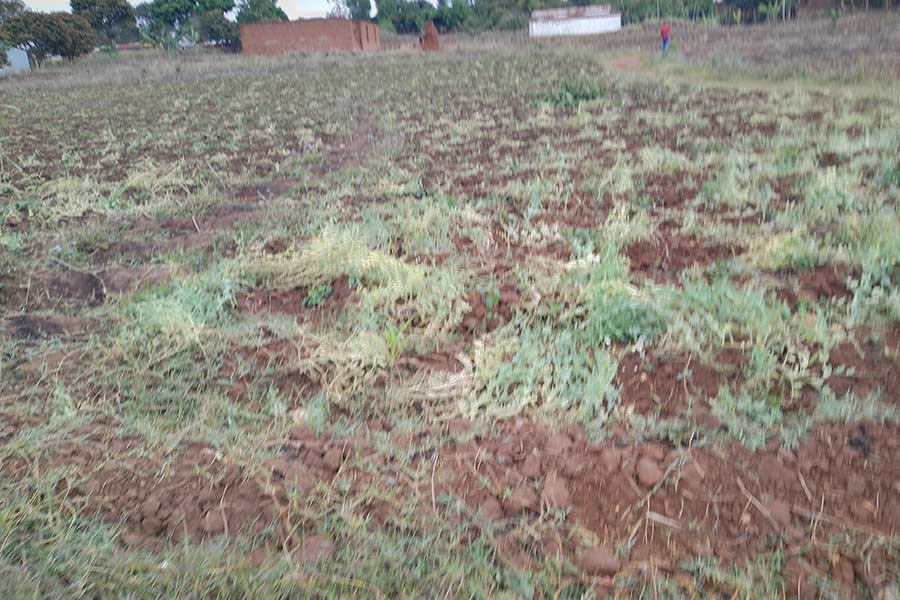
After harvesting a poor maize crop from a one-hectare field in April 2026, Harry Thuwera aged 61, of Nang’ombe Village, Senior Chief Boyidi in Thyolo district, planted NUA 45, a fast-maturing, bio-fortified bean variety, hoping to harvest at least five 50-kilogram bags from the same field during the winter cropping season.
For a farmer, Thuwera, the beans were supposed to be a second chance.
The rains never came.
His beans germinated with moisture, but it quickly disappeared under weeks of scorching sunshine. By July, Thuwera had salvaged just 20 kilogrammes.
“It was difficult to watch the crop dry up. I planted because we normally receive some winter rains from April through June, but this time the rains simply did not come,” he says.
His experience was shared by other farmers in the district.
In Magombo Village under Senior Chief Nchiramwera, James Samvana, a father of four, planted orange-fleshed sweet potatoes and red beans in April, relying on the winter rains that have traditionally supported his crops.
Instead, the crops withered. By July, there was little left to harvest.
For Aida Chabwera of nearby Mpiyama Village, the failure was even more complete. She planted garden peas, locally known as Nsawawa, in May. After months of dry conditions, she harvested no grain.
“We have never experienced this kind of situation before. The sun was too strong and there was no rain to help the crop recover,” she says.
Their losses may appear small when viewed from individual fields, but they point to a much bigger fear in Malawi: that another difficult agricultural season could deepen food insecurity and worsen malnutrition among children and women.
The concern is particularly serious in a country where child stunting remains high.
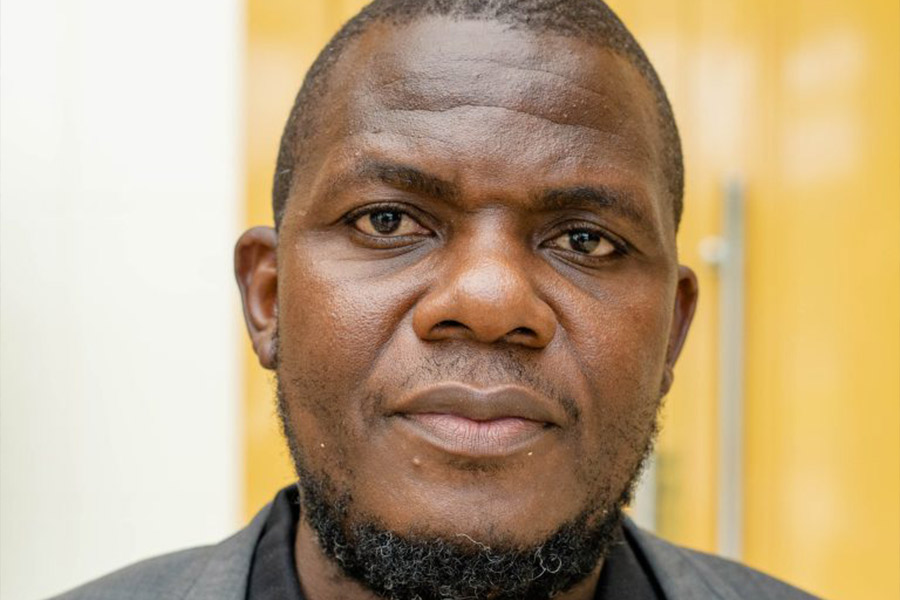
The Civil Society Organization Nutrition Alliance (CSONA) says about 38 percent of children under five are stunted in the country, and fears the situation could deteriorate if food production falls and households lose access to diverse and nutritious foods. Malawi has over 2.6 million children under the age of five in 2026, derived from a total national population estimated at roughly 22.8 million.
CSONA national coordinator Joseph Gausi says the country cannot wait until food shortages have already translated into malnutrition before responding.
“If food becomes unavailable or unaffordable, the first people to suffer are usually women and children. We might be going back to the years where the stunting levels were high and it may triple with 50 percent of the population affected. The government and all of us need to act now to protect household food supplies and ensure children continue to receive nutritious diets,” he says.
Gausi warns that prolonged food insecurity can go far beyond hunger.
“When children do not get enough nutritious food, their immune systems become weaker and they become more vulnerable to disease. Their learning can also suffer, and that ultimately affects their future productivity, the country's labour force and consequently vision Malawi 2063,” he warns.
He argues that Malawi must look beyond emergency food assistance and invest in systems and institutions that allow families to withstand repeated shocks.
He argues, “The response should not be about getting people through one difficult year and then returning to the same situation. We need resilient food systems, greater food diversity, employment opportunities and support for small businesses so that families can afford food with dignity.”
"We should also ensure that we invest in skills education so that many people in the communities are empowered economically to support themselves.
He also wants Malawi to reduce its dependence on maize as the dominant staple.
“Maize is important, but we should not build our entire food security around one crop which even does not guarantee nutrition. We need to encourage households to embrace other nutritious crops and invest in production systems that can withstand climate shocks. They can plant drought-resistant crops,” he says.
Health advocate Maziko Matemba says the anticipated food insecurity should be treated as a public health emergency as much as an agricultural problem.
“Government needs to act before the food crisis reaches hospitals. Agriculture, Health and Social Welfare cannot work in isolation. They must come together to protect children and other vulnerable groups from the effects of looming food insecurity and malnutrition,” Matemba says.
Matemba says protecting children requires ensuring that food is available, affordable and nutritious, particularly for households that lose their crops.
Agriculture commentator Gresham Kamnyamata says farmers also need alternatives to rain-fed agriculture.
“Farmers should be supported to move into irrigation wherever possible. Let's encourage people to migrate to bambos (wetlands), along Shire River to cultivate as soon as possible to grow various crops through irrigation. If they can produce food throughout the year, they will be less exposed when rainfall fails,” he says.
Kamnyamata adds that increased food production alone will not solve the nutrition problem.
“We also need nutrition education so that families understand how to prepare and consume diverse foods. Producing food is one thing; making sure children receive the right nutrients is another,” he says.
The warnings come as Malawi prepares for another season of elevated climate risk.
The Department of Climate Change and Meteorological Services has warned of a high likelihood of a strong to very strong El Niño developing in 2026. The department has identified 12 districts of Ntcheu, Mangochi, Balaka, Neno, Mwanza, Blantyre, Phalombe, Mulanje, Thyolo, Chiradzulu, Chikwawa and Nsanje, as particularly exposed to the potential effects of the phenomenon.
Meteorologists, however, caution that El Niño does not automatically mean that every part of Malawi will experience drought. Its effects can include delayed or erratic rainfall, prolonged dry spells and, in some areas, intense rainfall and flooding.
But the prospect of another difficult season is already worrying authorities because Malawi has not fully recovered from recent climate shocks.
During the 2023/24 agricultural season, the country experienced severe El Niño-related drought, with government declaring a State of Disaster in 23 districts.
The Malawi Vulnerability Assessment Committee has also warned of significant food insecurity, highlighting the continued vulnerability of 2.6 million people between October 2026 and March 2027, down from over 4 million the previous lean season.
In Thyolo, the District Chief Agriculture Officer, Prince Shaibu, says farmers should not wait for rainfall to determine their food security.
He is encouraging communities to diversify agriculture, protect watersheds and adopt techniques that retain water in the soil, including swales and box ridges.
“Every drop of water matters. Farmers need to manage the water available to them carefully and diversify their sources of food and income,” Shaibu says.
He says protecting watersheds can also support other livelihoods, including fish farming, forestry and beekeeping.
The government says it is preparing for the anticipated climate shock.
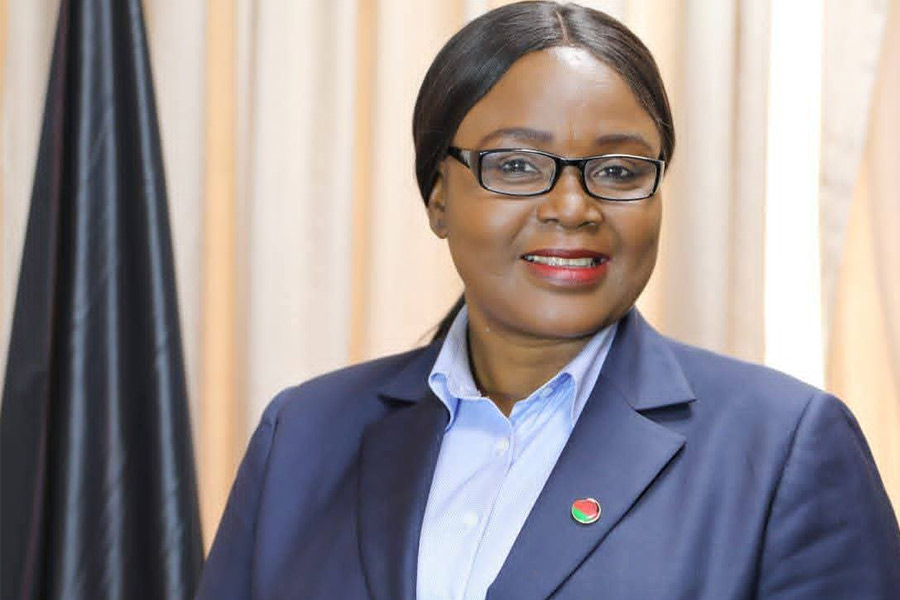
Agriculture Minister Roza Mbilizi says Malawi has developed a National El Niño Preparedness Plan aimed at strengthening early warning systems, protecting food and nutrition security, supporting vulnerable households and improving coordination between sectors.
The plan, she says, will cover agriculture, health, water, education and food security, under the oversight of an Ad Hoc Cabinet Committee on El Niño Preparedness appointed by President Peter Mutharika.
Mbilizi has also called on the African Union, development partners and the private sector to support the implementation of the plan.
The urgency is reflected in rising food prices in some markets.
Recent reports have shown maize prices climbing sharply in parts of the southern region, including Thyolo, where a 50-kilogramme bag was selling at about K55,000 mid August higher price than earlier in the year.
For households that have lost crops, rising prices mean that replacing food from the market becomes increasingly difficult.
That is where the climate crisis meets the nutrition crisis.
A family that loses its harvest may first reduce the quantity of food it eats. It may then reduce the variety, switching from nutritious foods to cheaper staples. For children, that can mean fewer proteins, fruits, vegetables and other essential nutrients at precisely the time their bodies and brains need them most.
Food and Agriculture Organization (FAO) and World Food Organization (WFP) have already warned of the wider threat posed by El Niño, launching a $202 million joint anticipatory-action appeal to help protect millions of people in countries expected to be exposed to the phenomenon.
Their approach is based on acting before a disaster fully unfolds, protecting livelihoods, food supplies and vulnerable households before the effects become an emergency.
For Malawi, that principle could be critical.
The failed winter crops of Thuwera, Samvana and Chabwera are not proof of what the coming rainy season will bring. But they offer a glimpse of what happens when smallholder farmers have few alternatives when the rains disappear.
And if another poor harvest pushes food prices higher and reduces dietary diversity, the consequences may not stop at the farm gate.
They could reach the plates of Malawi’s children.
For Gausi, that is why the response must begin before hunger becomes visible.
“We already know the risks. The warnings are there. What we need now is action—investment in resilient agriculture, diverse foods, social protection and livelihoods that can help families withstand the shock,” he says.
For farmers such as Thuwera, the warning has already arrived in the form of a field that produced almost nothing.
For Malawi’s children, the real test will be whether the country acts before that warning turns into another generation growing up without the nutrition they need.