












ZODIAK ONLINE
ArtBridge House, Area 47
Sect. 5, P/Bag 312
Lilongwe, Malawi
Sect. 5, P/Bag 312
Lilongwe, Malawi

In today’s world, it is rare to see a young person without a mobile phone. On the streets, in homes, and at entertainment venues, young people are constantly scrolling through smartphones and tablets in search of information.
They seek content on education, sports, health, and, increasingly, social issues. As the saying goes, “If you can’t beat them, join them.”
In Kenya and Malawi, scientists and development practitioners have embraced this approach, using information and communication technologies (ICTs) to disseminate climate change and environmental information. The strategy is proving effective in reaching young people, who make up the largest segment of Africa’s population.
Dr. Caroline Kundu, Director of the Kenya Agriculture and Livestock Research Organisation (KALRO), shared these insights in Nairobi during a study visit by science journalists from six newsrooms across five African countries: Nigeria, Tanzania, Uganda, Malawi, and Kenya.
She emphasized that engaging young people can empower them to become active participants in addressing the continent’s climate change challenges.
The visit was part of the Climate Beacon Newsroom Initiative training and project-planning meeting under the Media for Environment, Science, Health and Agriculture (MESHA), in partnership with the Solutions Journalism Network (SJN).
“As an institution, we have developed apps that enable farmers to easily access information on soil fertility, land degradation, crop suitability by region, and expected rainfall patterns in their specific areas,” Dr. Kundu explained. “We work closely with the Department of Meteorological Services and the Ministry of Agriculture to ensure farmers receive timely and relevant information.”
She added: “As a research institution, we engage directly with farmers and use young people as agents of change to better understand the challenges they face and identify the most effective mitigation and adaptation measures. This ensures they play an active role in finding solutions to their own problems.”
Christine Maswi, a climate scientist with the Kenya Meteorological Department, noted that given the persistent climate shocks affecting Africa, technology remains the fastest and most effective way of disseminating weather information and helping farmers make informed and timely decisions.
“Young people are the primary users of social media platforms such as TikTok, WhatsApp, and X. Therefore, leveraging social media is an effective way to reach a large number of farmers, many of whom are young people, with weather-related information.
“This can help them develop innovative solutions to climate-related challenges and contribute to the adoption of sustainable agricultural practices. However, a major challenge remains the unequal access to smartphones,” Maswi said.
Limited access to mobile phones, particularly in rural areas where most farming activities take place, continues to hinder the effective dissemination of agricultural and climate information across many African countries.
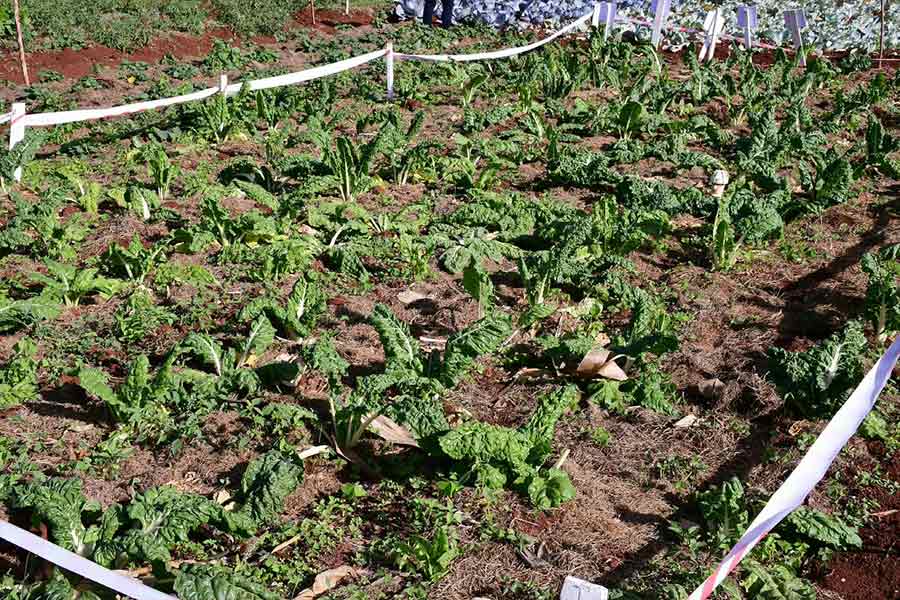 In Malawi, as in Kenya and several other African nations, mobile phone ownership is gradually increasing in rural communities. More smallholder farmers now have access to basic mobile phones, SMS platforms, smartphones, and internet connectivity, making it easier for them to access climate change and agricultural information.
Farm Radio Trust, an agriculture-focused organization in Malawi, operates the Mlimi App, which provides farmers with advisories on weather, crop production, livestock management, beekeeping, pest control, and other agricultural topics. The app also connects users to instant advisory services through the Mlimi hotline.
Sam Kalimba, Communications and Advocacy Specialist at Farm Radio Trust, said:
“We are currently working with 89 cooperatives across 11 districts: Chitipa, Karonga, Rumphi, Nkhata Bay, Kasungu, Ntchisi, Mchinji, Lilongwe, Dedza, Blantyre, and Thyolo. The benefits of this app are evident across these districts, as farmers are not only accessing agricultural information but are also connecting with potential buyers.”
The Ministry of Agriculture, through the Department of Agricultural Extension Services (DAES), is also embracing digital tools to deliver timely climate information and agricultural advice to farmers.
Geoffrey Chilombo, Senior Agricultural Communications Officer at DAES, highlighted the importance of collaboration among stakeholders in ensuring the timely dissemination of climate and agricultural information in Malawi.
“We collaborate with the Department of Climate Change and Meteorological Services (DCCMS) and development partners to implement Digital Climate Advisory Services (DCAS). Through this initiative, weather-based agricultural advisories are sent to farmers via the Ulimi ndi Nyengo SMS gateway,” Chilombo explained.
He added that technology enables the ministry to reach large numbers of farmers simultaneously. Each advisory is tailored to local weather conditions, agro ecological zones, specific crops, and the stage of the growing season.
“We are promoting E-PICSA, a mobile and digital version of the Participatory Integrated Climate Services for Agriculture (PICSA) approach,” Chilombo said. “It helps smallholder farmers use historical climate data, seasonal forecasts, available resources, and livelihood options to make informed decisions on their farms. Farmers assess their own circumstances, evaluate available options, and choose the practices best suited to their needs, thereby placing decision-making power in their hands.”
To ensure accessibility and comprehension, the information is translated into local languages such as Chichewa and Tumbuka, enabling farmers to better understand and act on the advisories.
E-PICSA is widely regarded as a digital evolution of the PICSA approach. It helps smallholder farmers adapt to climate change and improve agricultural productivity by transforming complex weather data into practical, localized farming decisions. It replaces older paper-based methods and manual flipcharts with smartphone and web-based applications supported by automated meteorological systems.
According to project assessments conducted under the initiative co-developed and implemented by the Deutsche Gesellschaft für Internationale Zusammenarbeit (GIZ) and the University of Reading, trained lead farmers are nearly four times more likely to incorporate seasonal forecasts into their farm planning and have doubled their adoption of resilient, climate-smart crop varieties.
Clement Boyce, Deputy Director at DCCMS, told Zodiak Online that the application directly “improves productivity among farmers because they are able to plan ahead based on weather forecasts.”
Recent evaluations by the University of Reading found that 91 percent of trained Malawian farmers implemented climate adaptation measures, with 88 percent reporting improvements in household food security and 86 percent experiencing increased household income.
Patrick Kuyokwa, a youth farmer from central Malawi, stated that the introduction of technology as a tool for disseminating agricultural and climate change information is ideal as it helps them determine production timelines and decide which crops to grow.
He added, “Now that most young people are involved in agriculture, the use of technology is bringing great transformation in the industry as it is a faster way to share and access information.”
However, Kuyokwa lamented the low internet penetration, access, and utilization as some of the challenges faced by young people, and called upon the government and internet service providers to enhance their innovations to ensure reliable, fast, and accessible internet.
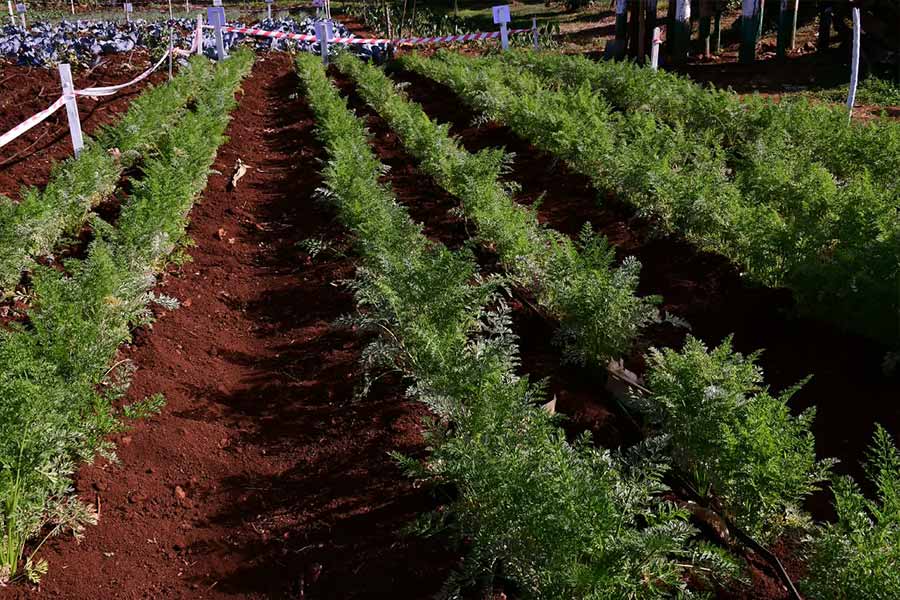
Malawi’s National Agriculture Policy advocates the integration of digital technologies in agricultural research and development, production, extension services, and marketing. The policy also calls for improved ICT infrastructure at national, district, and community levels, as well as the broader adoption of ICT-based extension and market information services.
If fully scaled and supported, these initiatives could enable Malawi, Kenya, and other African countries pioneering the use of ICTs in climate adaptation to make significant progress in building resilient farming communities.
Ultimately, such innovations have the potential to improve food security, increase household incomes, and strengthen farmers’ capacity to withstand the growing impacts of climate change.