













ZODIAK ONLINE
ArtBridge House, Area 47
Sect. 5, P/Bag 312
Lilongwe, Malawi
Sect. 5, P/Bag 312
Lilongwe, Malawi

On August 14, 2025, Beston Mkwanda left his home near Vwaza Wildlife Reserve with a panga knife and a bundle of ropes. It was routine, cutting grass before heading back. But that morning, sixteen elephants had broken through the reserve fence.
Rangers chased most back, yet one strayed into nearby villages. As Mkwanda bent to cut grass, the elephant charged. There was no warning, no time to run. Within minutes, the 38‑year‑old was trampled to death.
His death reverberated across villages bordering Vwaza, a stark reminder of a crisis that can no longer be ignored: people and wildlife fighting for shrinking space.
Village Headman Chitazga Mkandawire says fear now defines life along the reserve.
“Monkeys and elephants have destroyed my maize garden. I keep orphans. I don’t know what I will feed them. Rangers come, fire shots in the air, then leave. The elephants return.”
Such incidents are mounting. A woman from Nkhombole Village narrowly escaped death when an elephant charged; she survived only because rangers intervened.
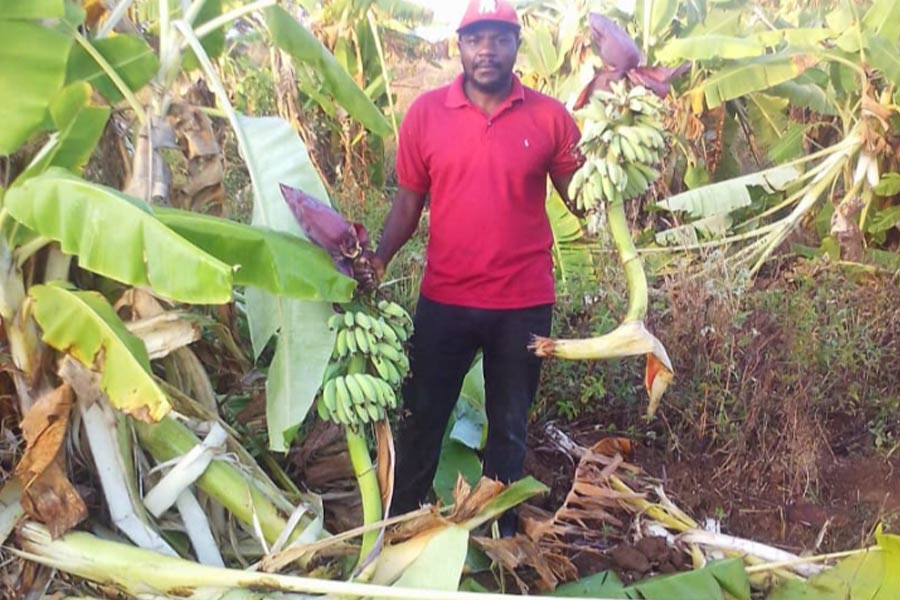
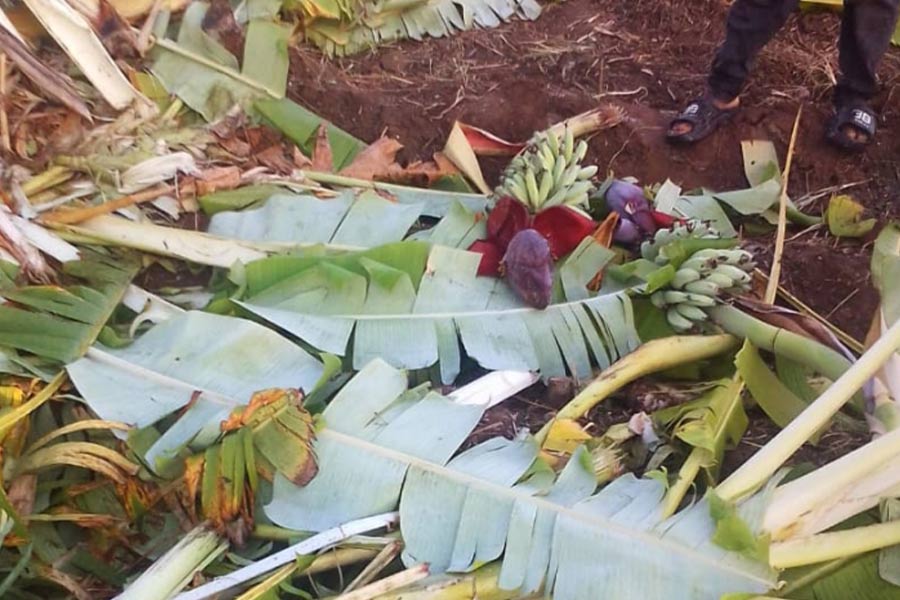
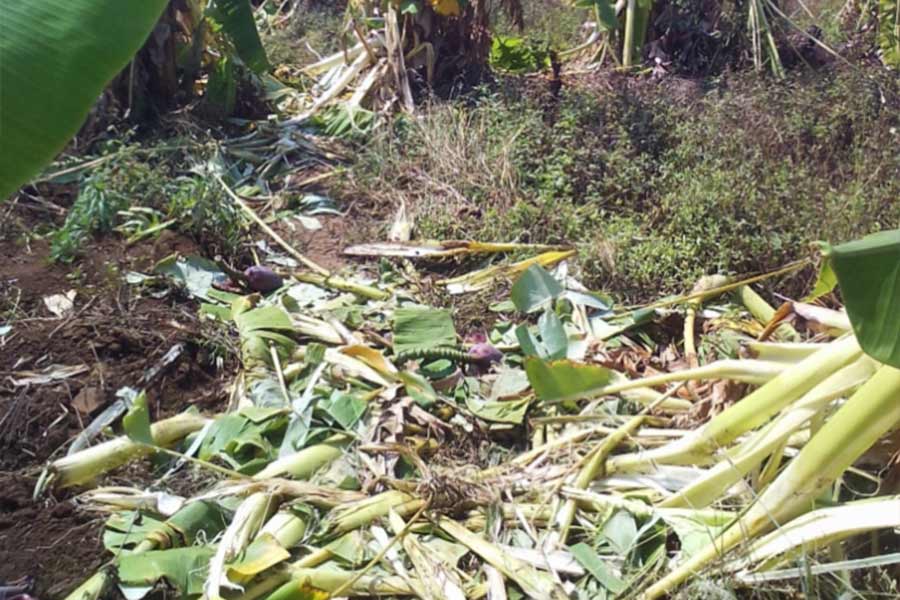
Farmers like Yotamu Lupyayi have lost entire harvests overnight: hectares of bananas and thousands of tomato plants wiped out.
“Imagine 10,000 tomato plants and a hectare of bananas destroyed in a single night,” he says. “Government doesn’t even consider compensation,” he told Zodiak Online.
Gift Changaya of Nkhombole echoes the frustration. “Last Sunday elephants raided my sugarcane, destroyed maize and groundnuts. Rangers promise to mend the fence, but nothing happens.”
Assistant Agriculture Officer Haswell Kacheche has tracked the destruction: more than 25 hectares of bananas and 15 hectares of horticultural crops lost in recent months.
“The situation is out of hand,” he warns.
The CCAP Synod of Livingstonia is implementing a “Scaling Up Conserve” project to reduce conflicts. Executive Director Kenneth Sakala says over 832 cases have been recorded since 2025. “We want humans and animals to coexist,” he explains.
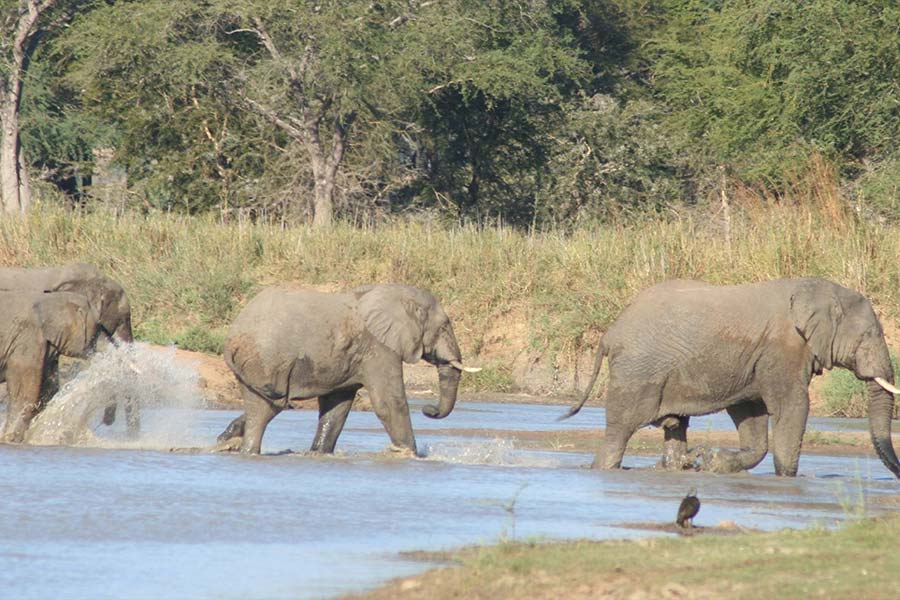
But coexistence is proving elusive. Vwaza’s cross‑border connectivity with Zambia allows elephants and hippos to roam freely, often breaching fences in search of food and water.
The Department of National Parks and Wildlife insists it responds, blaming broken sections of the 70‑kilometer fence for the crisis. Plans are underway to install alarms in hotspot areas.
Local leaders, including MP Ackim Kumwenda, are pressing for urgent action and legal reforms to compensate victims. He took the matter to parliament recently.
“We expect government to deploy rangers to prone areas, especially on the Zambian side,” he told the house. “In the medium term, Parliament should consider compensation for Malawians living along protected areas.”
Tourism Minister Symon Itaye admits the Wildlife Act must be revisited. “Currently there is no provision for compensation. Parliament must sit down and see how best to support communities.”
Meanwhile, villagers feel abandoned. With rising populations and shrinking habitats, elephants, hippos, monkeys, and hyenas are increasingly clashing with humans. For communities around Vwaza, the cost is measured not only in destroyed crops and livelihoods — but in lives lost.