



ZODIAK ONLINE
ArtBridge House, Area 47
Sect. 5, P/Bag 312
Lilongwe, Malawi
Sect. 5, P/Bag 312
Lilongwe, Malawi

Until she got to the age of 14, Memory Zakaliya was a puzzle in her village.
She was perpetually sick.
Her father, Zakaliya Chiputu, actually lost all hope that Memory would survive.
He took her to hospital after hospital, but they could not diagnose her exact health problem.
The family even consulted witchdoctors, believing Memory had been bewitched.
But one day, when she was aged 14 and in Standard 5, a Catholic priest advised her father to try Kamuzu Central Hospital.
When they did in 2016, the hospital found that Memory had cancer.
“We had reached a point where we had no answers and no hope. We tried everything we could as a family,” recalls her father, Zakaliya Chiputu.
By then, her father had sold almost all property in search of a solution to Memory’s ailment.
At the age of 14, Memory was put on cancer treatment. She is now aged 24 and in Form 4.
Public Affairs Committee (PAC) observes that some religious beliefs discourage members from seeking medical help when sick, while others depend on witchdoctors for ailments beyond their capacity.
“Faith should not replace medical care. It must work hand in hand with science to save lives,” Bishop Gilford Matonga.
Dr. Devline Silungwe from St John of God Hospitaller Services in Lilongwe says caring for a child with a chronic illness such as cancer is a major challenge that requires mental health support.
“Both the child and the guardian need psychological support, but in most cases the guardian carries the heavier burden because they witness the suffering every day,” says Dr. Silungwe.
He adds that only about 30 percent of mental health support goes to the child, with the majority directed to the guardian.
On February 12 this year, a six-year-old boy with cancer rang a bell — an emotional and celebratory tradition expressing triumph over the disease.
The boy’s grandmother, Damalisi Fulayiloni, says it was a tough journey that began in January, with frequent hospital visits and eventually an operation on May 28, 2025.
“It was not easy, but we followed every instruction from the doctors. Today, seeing him ring the bell gives us hope,” she says.
She attests to the benefits of adhering strictly to medical prescriptions.
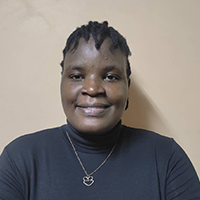
Tionge Mhango was diagnosed with cancer in 2016 at the age of 15. She is now 25 and a survivor.
Before her diagnosis, her parents took her to different hospitals in Mzuzu in search of answers to her frequent illnesses, but in vain.
At one point, she was even wrongly treated for tuberculosis.
Her cancer was eventually diagnosed at Kamuzu Central Hospital, where she began chemotherapy.
“The treatment was difficult, and I was scared when doctors told me I might lose my hair, something i loved most,” Tionge recalls.
The uncertainty about her survival pushed her into a coma, and she later ended up in a wheelchair due to paralysis.
She could no longer attend school, where she had been in Form Two.
Discrimination followed.
“Some people treated me differently, sidelining me in both ways, that was one of the hardest part” she says.
Tionge’s story is one of hundreds of childhood cancer cases in Malawi.
The World Health Organization estimates that at least 1,100 children develop cancer in Malawi each year, yet very few access facilities with proper diagnostic capacity.
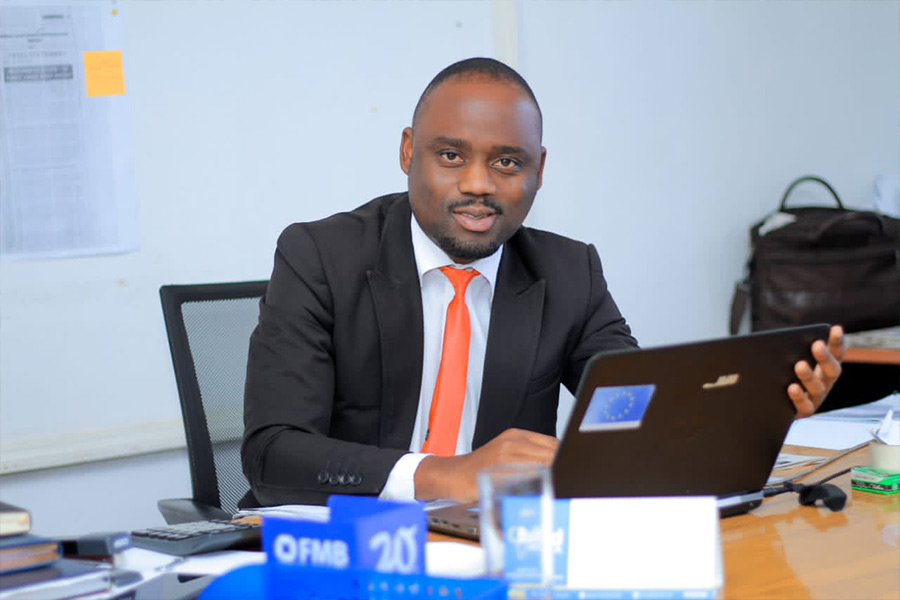
Dr. Rizine Mzikamanda, Medical Director for the Pediatric Hematology Oncology Program at Kamuzu Central Hospital under Baylor Foundation, says late reporting remains a major challenge in the fight against childhood cancer.
“Many children come to us when the disease is already advanced. Others start treatment but fail to complete it,” says Dr. Mzikamanda.
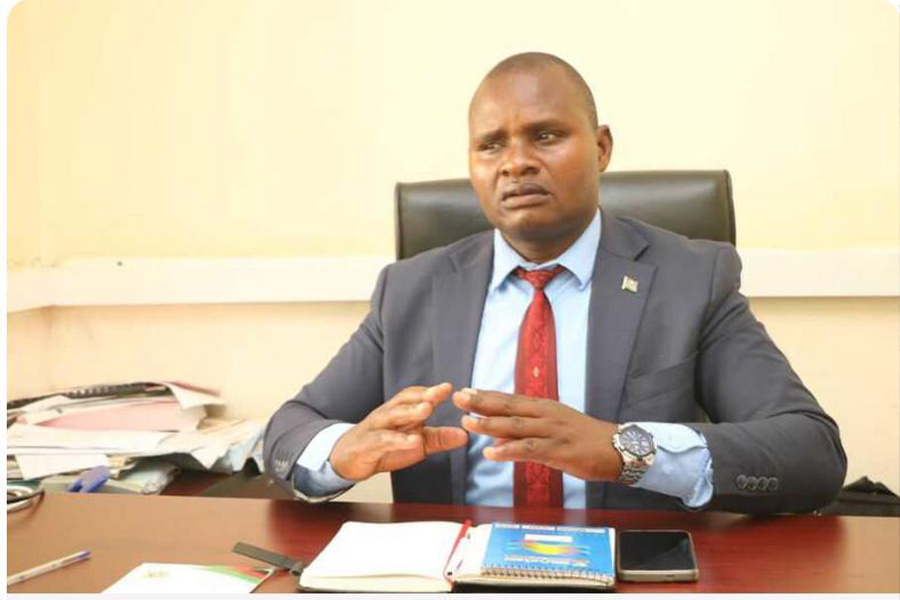
Health rights activist Maziko Matemba attributes late reporting to lack of public awareness.
“People do not recognize the early signs of childhood cancer. We need deliberate awareness campaigns so families know when to seek help,” he says.
He also calls for stronger prevention and education efforts.
It is encouraging that most children diagnosed early eventually ring the bell — a symbol of victory.
“Early diagnosis can save lives. We have seen children recover and return to normal life when treatment starts on time,” adds Dr. Mzikamanda.
It is therefore imperative that, as a nation, Malawi invests meaningfully in early diagnosis.
With widespread awareness of the signs and symptoms of childhood cancer, and improved access to professional diagnosis and treatment, many young lives can be saved.
And once again, children like Memory and Tionge can return to school, pursue education, and live full lives.
Essentially, guaranteeing their right to life.