

















ZODIAK ONLINE
ArtBridge House, Area 47
Sect. 5, P/Bag 312
Lilongwe, Malawi
Sect. 5, P/Bag 312
Lilongwe, Malawi

A new study on advancing measurement of violence against children in and around school has revealed that prevalence of school related violence is still high in the country impacting on children's learning and wellbeing.
Center for Global Development in collaboration with the University of Malawi conducted the study in 251 schools in the north, south and central regions where half of the children interviewed under the age of 12 reported having experienced physical, emotional and sexual violence in school.
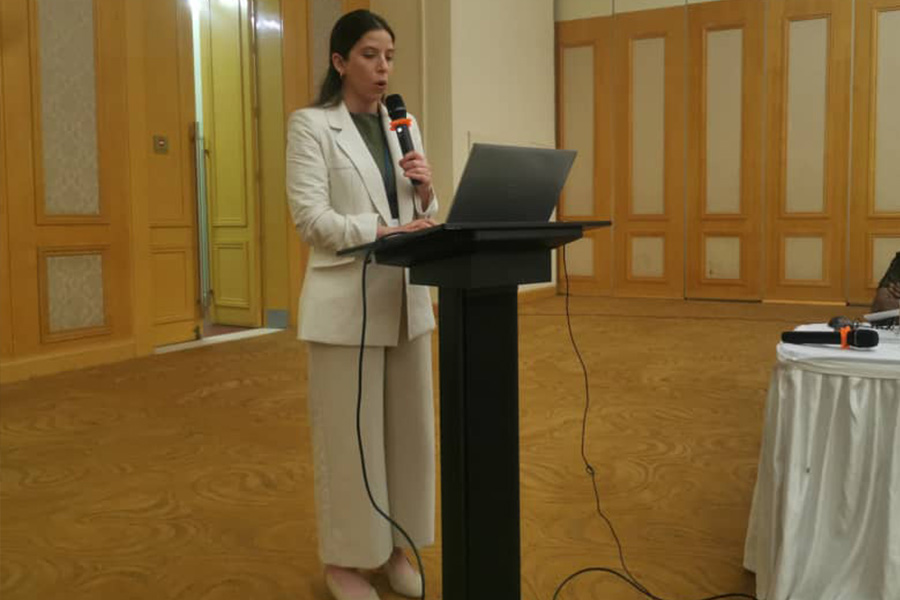
Lead investigator in the study, Gabriela Smarrelli said during dissemination of the findings to stakeholders in Lilongwe that this underscores an urgent need to strengthen prevention and response efforts in schools and communities to ease the trauma among victims.
“The study focused basically on understanding the prevalence but we weren’t able to still look into why it’s happening… of cause there are many different factors that could explain this, in some cases violence has been normalized, something that is frequently used in the communities,” said Smarrelli.
She suggested changing order or norm of practices that support certain forms of violence in school like corporal punishment considering the detrimental consequences affecting learning and wellbeing of victimized children.
Youth net and Counselling executive director MacBain Mkandawire said high prevalence of abuses children are inflicting on fellow learners in school is a reflection of deep rooted culture of violence in families and communities which overtime is perceived as normal way of living by the children.
“Children watch their father and mother fighting at home, so they don’t see anything wrong when they can go and fight with each other. That on its own is a motivation that violence would continue,” explained Mkandawire.
He added that the culture of silence, non-reporting of violence in communities is also the norm in schools among victimized children which in the process makes learners feel that violence is normal.
Mkandawire noted that unfortunately poor or complete failure to implement safeguarding policies and systems remains a big challenge fueling school-related violence as perpetrators (teachers and fellow learners) are left unpunished.
Deputy director of school health, nutrition and HIV/AIDS in the ministry of education Maurene Magusa Tembo said results of the study are an eye opener for stakeholders to device modern ways of strengthening existing grievances and referral mechanism for young learners in school.
Center for Alternatives for Victimized Women and Children believes intensifying awareness among young learners on multiple forms of violence they are exposed to while in school would help prevent occurrence and encourage them report perpetrators for proper redress.
Approximately 6, 000 learners aged 8-12 participated in the survey by the two institutions in eight districts.