











ZODIAK ONLINE
ArtBridge House, Area 47
Sect. 5, P/Bag 312
Lilongwe, Malawi
Sect. 5, P/Bag 312
Lilongwe, Malawi

The Malawi Blood Transfusion Service (MBTS) says increased awareness campaigns and stronger partnerships with regular donors and the corporate world are helping stabilize supplies.
MBTS spokesperson Upile Kaimvi told reporters in Lilongwe: “At the moment, we are able to supply our hospitals with enough blood, and most of our patients are being assisted accordingly. We are proud of our donors.”
The central region needs over 4,000 units of blood each month, and recent drives have helped meet this target. But with more than 80% of donors coming from schools and colleges, the upcoming holiday break could reduce donations, she warned.
“This reliance creates a seasonal risk. When schools close, that’s when we appeal to more people to come in and donate,” she explained. “ With the upcoming school holidays, MBTS is urging workplaces, institutions, and communities to step in and sustain the momentum.”
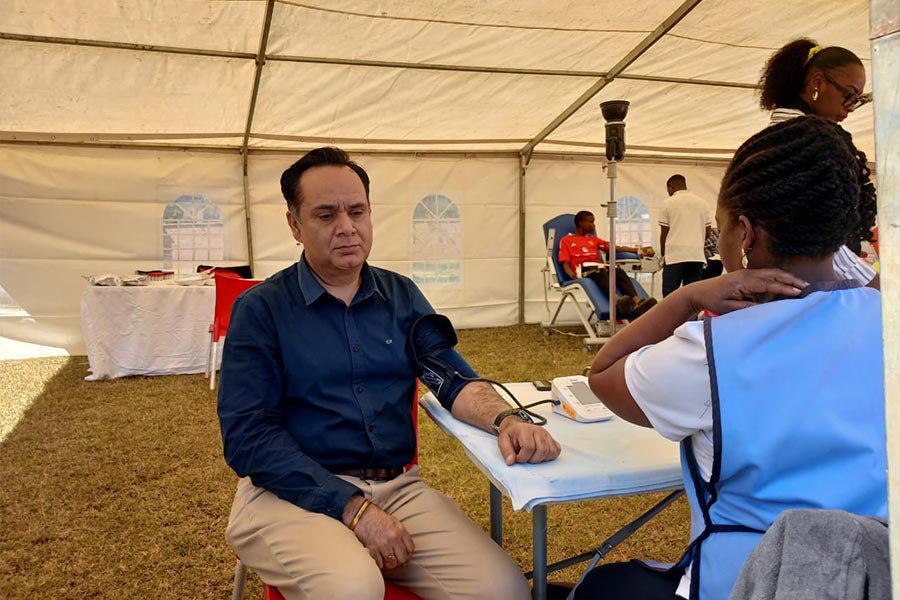
At a blood donation drive organized with Airtel Malawi as part of the World Blood Donor Day, Managing Director Aashish Dutt said: “Blood cannot be manufactured; it only comes from generous donors. A few minutes of blood donation is a lifetime for someone else.”
He added that Airtel regularly organizes blood drives as part of its broader social responsibility, alongside other contributions such as relief support during food crisises.
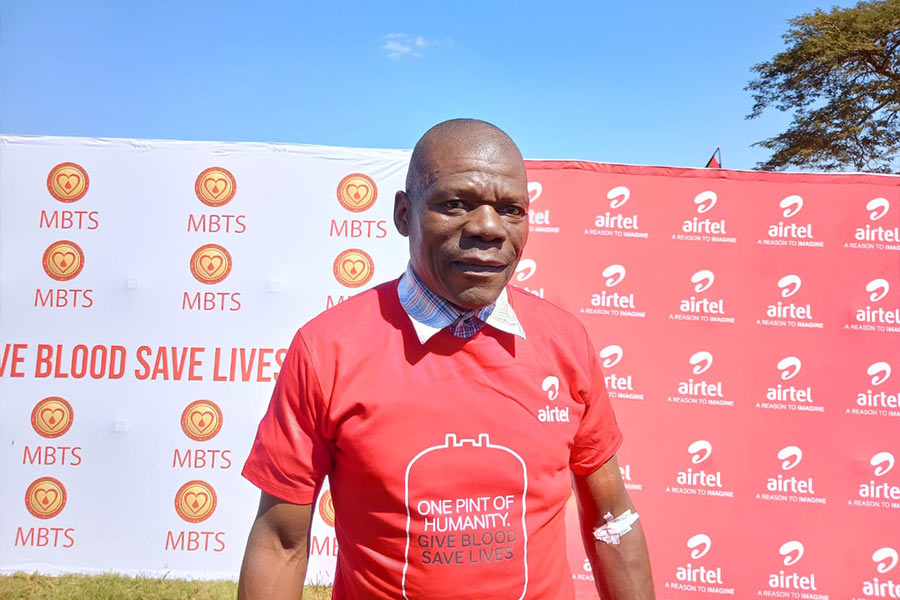
Veteran donor Andrew Mchisa, a teacher who began donating in 1993 when his father needed blood, marked his 90th donation at the event.
“Since then, I have continued donating, and today marks my 90th donation. Blood is life. Without it, there is no survival,” he said, appealing to Malawians to join hands in sustaining the nation’s health.
During the event, staff from Airtel, other institutions as well people from across Lilongwe, turned up to donate blood, confirming the positive shift in public awareness and participation.
Malawi requires about 150,000 units of blood annually to meet its national demand, according to the ministry of health, which says collections have recently increased, reaching 100,000 units, leaving a deficit of roughly 50,000 units.