















ZODIAK ONLINE
ArtBridge House, Area 47
Sect. 5, P/Bag 312
Lilongwe, Malawi
Sect. 5, P/Bag 312
Lilongwe, Malawi

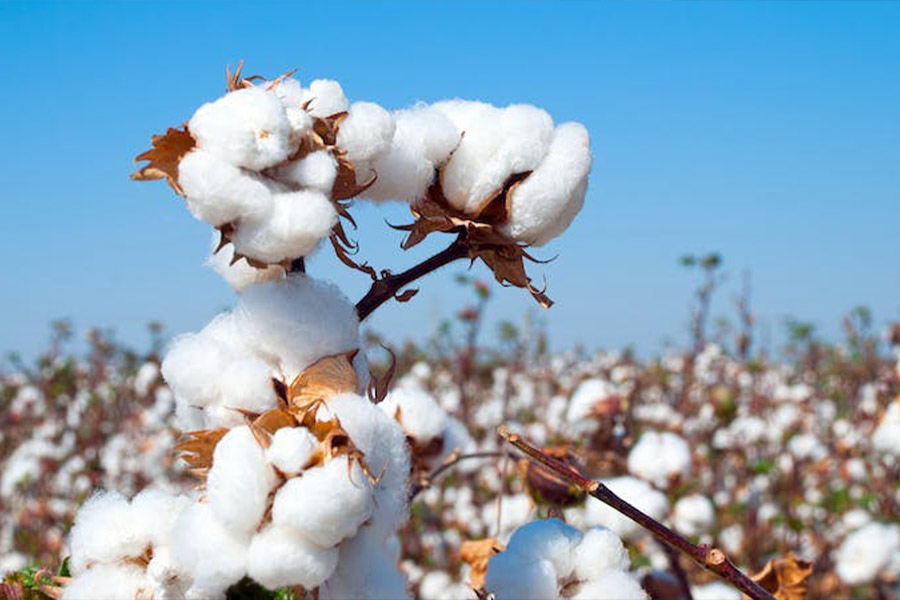
The Cotton Council of Malawi has launched the 2026 cotton marketing season with optimism, projecting earnings of about K27 billion from the sale of an estimated 22,000 metric tons of cotton.
Speaking at the official opening in Lilongwe on Monday, May 25, Cotton Council Public Relations Officer Priscilla Jamali said the introduction of a zoning system for cotton buyers is expected to improve efficiency in this year’s markets.
“This season, we anticipate fewer challenges because buyers are purchasing directly from farmers they supported with inputs. We are confident that during the 90-day marketing period, operations will run smoothly across more than 50 markets nationwide,” Jamali said.
Deputy Director of Crop Development in the Ministry of Agriculture, Osborn Tsoka, acknowledged that cotton yields have declined in recent years due to factors such as limited access to certified seed and inadequate farmer training.
He assured farmers that the ministry is addressing these challenges to revitalize the industry.
“At one point, Malawi produced 250,000 metric tons of cotton, but volumes have since dropped. We are now working tirelessly to restore the industry and strengthen the entire value chain,” Tsoka said.
He revealed that yields have already doubled this year, reaching 22,894 metric tons from 13,599 hectares under cultivation.
“Through capacity building and a sustainable seed supply system, we expect production to rise to 50,000 metric tons next year, and eventually to 300,000 metric tons in the long term,” he added.
The cotton marketing season will run for 90 days. Currently, five ginners are operating in the country: Afrisian Limited, state-owned ADMARC, Malawi Cotton Company, Illovo Sugar Nchalo Limited, and Masapa Cotton Ginners.
In 2025, Malawi earned K7.4 billion from cotton sales.
Cotton ranks as the fourth largest strategic cash crop and foreign exchange earner in Malawi, sitting just behind tobacco.
Malawi once produced up to 250,000 metric tons, but recent years saw declines to below 20,000 metric tons. Current efforts aim to restore production to 50,000 metric tons next year and eventually 300,000 metric tons long-term, according to the ministry of agriculture.