













ZODIAK ONLINE
ArtBridge House, Area 47
Sect. 5, P/Bag 312
Lilongwe, Malawi
Sect. 5, P/Bag 312
Lilongwe, Malawi

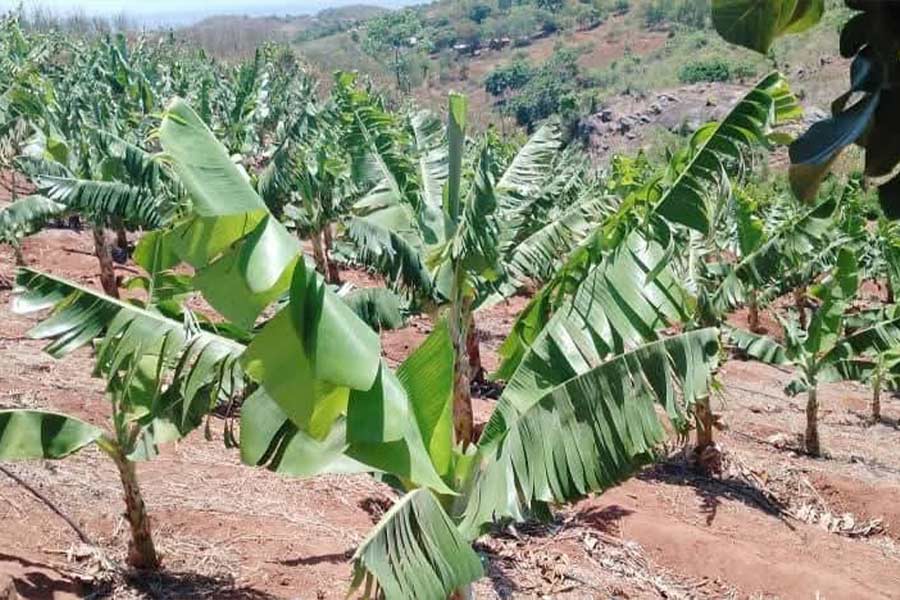
In Thyolo, where banana groves once painted the landscape in shades of gold and green, the sound of machetes slicing through bunches was once a melody of prosperity. Farmers proudly loaded trucks bound for Blantyre, Lilongwe, and beyond. Banana was more than a crop - it was a lifeline for people in this district of Malawi’s Southern Region.
Then came silence.
A mysterious disease, the Banana Bunchy Top Virus (BBTV), crept through farms like an invisible wildfire in 2014. Within a few seasons, entire plantations had withered. The once-prized crop that sustained thousands of families was gone, and with it, Thyolo’s claim as Malawi’s banana capital.
“The disappearance of banana production brought many challenges to our people. It was our main source of income,” recalls Senior Chief Khwethemule, his voice heavy with memory.
New Hope
Now, biotechnology offers a fresh chance to rewrite Thyolo’s agricultural story.
Biotechnology, the use of living systems, organisms, or their parts to develop products and solve problems, spans ancient techniques like brewing and baking to modern genetic engineering. Its goal is to improve human life, boost efficiency, and enhance sustainability.
Leading this quiet revolution in Thyolo is the Centre for Agricultural Transformation (CAT), which is implementing a banana restoration program to revive production in Thyolo and Mulanje districts.
The project introduces tissue-cultured banana plantlets: clean, disease-free suckers developed through modern biotechnology.
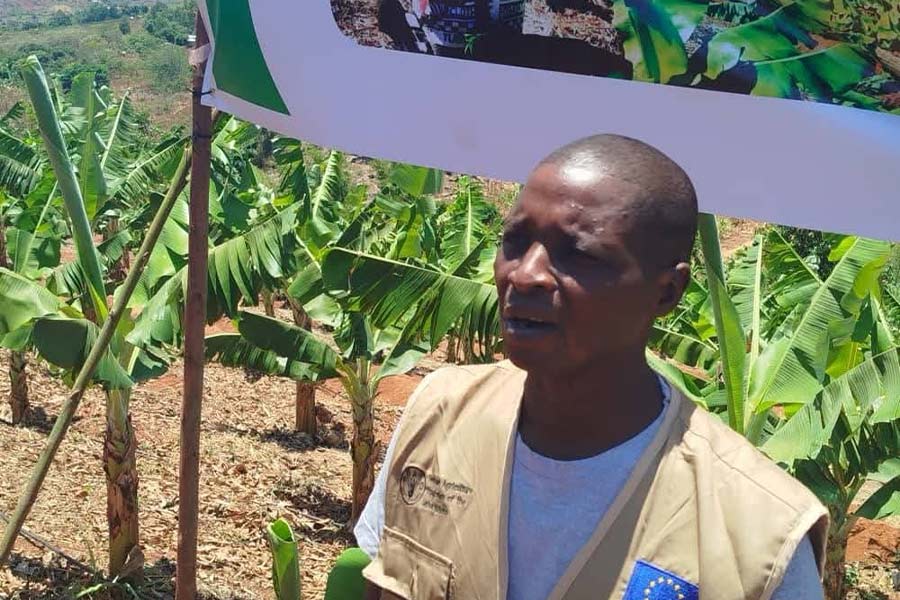
Over 1,000 farmers in Thyolo have already benefited, with the goal of reaching 39,000 in the next five years.
“Banana is one of Malawi’s major cash crops, and it requires joint efforts to restore its productivity,” says CAT Executive Director Macleod Nkhoma. “It is worrisome that we are losing foreign exchange importing bananas that can easily be grown here. Farmers must now view banana farming as a business.”
The K90 million pilot project, supported by the National Bank of Malawi, seeks not only to restore banana farming but also to boost household incomes, enhance food security, and contribute to foreign exchange earnings through future exports.
Shifting Attitudes
When the virus first struck, scientists and extension officers urged farmers to uproot infected plants and replant clean ones. Many resisted, clinging to their infected fields out of fear of losing everything — a hesitation that prolonged the crisis.
Now, attitudes are shifting. Awareness campaigns, field demonstrations, and the visible success of early adopters are convincing farmers to trust the science.
At Mufunga Village in Traditional Authority Khwethemule, lead farmer Henry Mafunga is among those championing the change.
“We learned from the mistakes of the past,” he says. “With clean plantlets and modern farming methods, banana farming can thrive again. Farmers must adapt to new technologies and changing climate.”
Scaling Up Biotechnology
In 2016, the National Biosafety Regulatory Committee (NBRC) approved a confined field trial of a transgenic banana resistant to BBTV at Bvumbwe Agricultural Research Station. Techniques such as tissue culture, virus indexing, and clean propagation of banana suckers are now in use.
Since 2017, FAO has supported Malawi’s “in vitro banana planting materials production” efforts to revitalize the industry. Over 40 banana macropropagation chambers have been established in 10 districts, producing more than 344,200 clean banana suckers distributed through 347 community nurseries spanning 309.8 hectares.
While the transgenic banana trial remains confined and not yet commercialized, biotech applications such as tissue culture and clean propagation are proving vital.
Restoring Resilience
According to Thyolo District Director of Agriculture Services, Jackson Dziko Mvula, over 624 hectares of plantations have already been restored across Thyolo’s Extension Planning Areas, out of the 1,357 hectares wiped out a decade ago.
“Banana is both a food and commercial crop. Many were able to pay school fees and construct good houses, among other things. Serious implementation of this program will not only boost incomes but also improve household nutrition. We are therefore lobbying for more private sector support,” Mvula explains.
Ministry of Agriculture spokesperson Arnold Namanja adds that macropropagation is being promoted to boost local production of clean banana plantlets.
“To prevent a resurgence of BBTV, farmers are urged to use certified suckers, restrict plant movement, quarantine new varieties, and destroy infected plants,” he says.
Challenges Ahead
Still, some farmers remain hesitant, and demand for clean suckers exceeds supply.
For 51-year-old Mark Chitsulo, a lifelong farmer from Musa Village, Senior Chief Nsabwe, the restoration efforts that once rekindled hope are now dimming.
“In June this year, I was among the farmers who went to Bunda to collect the improved variety called Sweet William, but they too are being attacked and drying up here,” he laments. “Extension workers need to visit us more often with advice on how to control the situation. Banana used to be life for many farmers here.”
Broader Vision
Biotech has already transformed Malawi’s cotton sector. The introduction of Bt [Bacillus thuringiensis] cotton, which resists bollworm infestation, has doubled yields for many farmers, reduced pesticide use, and lowered costs and health risks.
As one walks through the young banana fields in Molere, Thyolo, the landscape is changing again. Where weeds once stood, green leaves now shimmer in the morning light. Farmers’ laughter is returning to the hills.
The journey from devastation to recovery is far from over, but the balance of biotechnology, collaboration, and farmer courage is restoring faith in what was lost.
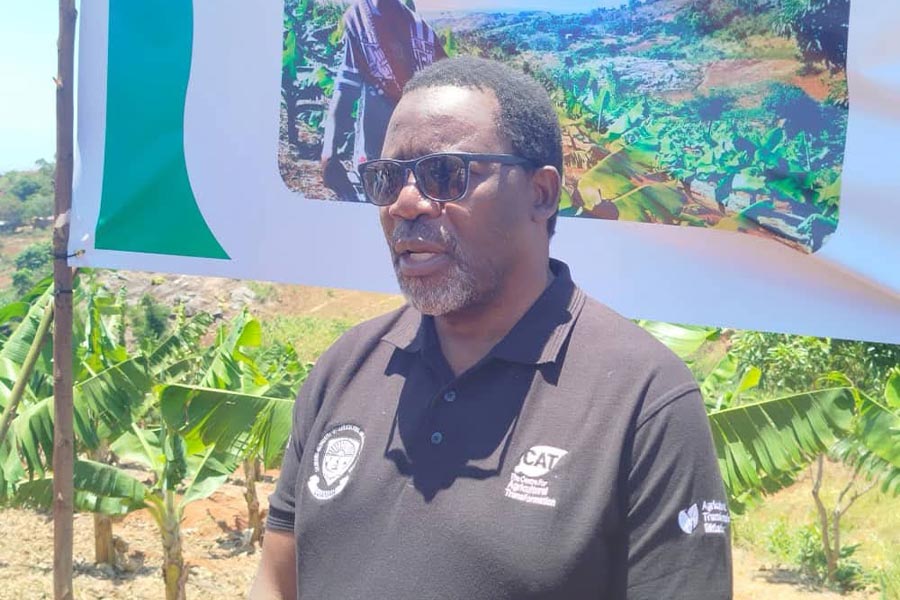
“This project is not just about bananas,” says Nkhoma. “It’s about restoring dignity, rebuilding livelihoods, and proving that science can transform our communities. Biotech projects are key in helping to boost the country’s economy and achieve Pillar One of Malawi 2063: agricultural productivity and commercialization.”
And indeed, in Thyolo’s reborn plantations, science and tradition are working hand in hand to bring back the fruit that fed a district—and the hope that feeds a nation.