




ZODIAK ONLINE
ArtBridge House, Area 47
Sect. 5, P/Bag 312
Lilongwe, Malawi
Sect. 5, P/Bag 312
Lilongwe, Malawi

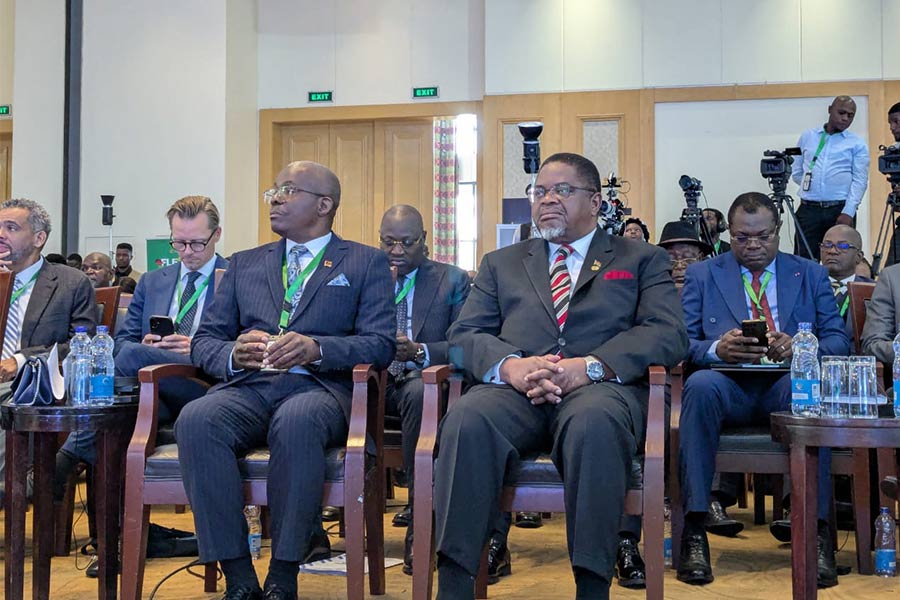
Africa’s future development ambitions could be undermined unless countries urgently address gaps in foundational learning, education leaders warned on Wednesday as they opened a continental meeting in Lilongwe.
The warning came during the first day of the third Africa Foundational Learning Exchange (FLEX2026), which has brought together education leaders, policymakers and development partners from more than 40 African countries to tackle challenges affecting basic learning outcomes.
Malawi’s Minister of Education Bright Msaka said foundational learning must remain at the centre of Africa’s development agenda, arguing that children’s ability to read, write and reason is critical for the continent’s economic transformation.
“Every single African child has a fundamental right to learn. If children read, write and reason, that is the only way Africa grows,” Msaka said.
He said Africa cannot fully embrace artificial intelligence, technology and the ambitions of Agenda 2063 if basic education systems remain weak, stressing that “we cannot embrace technology if the basics are fractured.”
Msaka said Malawi has aligned its curriculum with targeted interventions, including national reading programmes and teaching-at-the-right-level approaches, but called for stronger government ownership and increased domestic financing of education reforms.
Human Capital Africa founder and chief executive officer Dr Oby Ezekwesili challenged delegates to ensure the meeting delivers practical solutions, saying the gathering should focus on actions that address education challenges rather than only discussions.
The World Bank Group’s Country Director Ndiame Diop called for increased investment in foundational learning, including school feeding programmes and the use of artificial intelligence tools to support teaching, while UNICEF’s Pia Britto encouraged collaboration and responsible use of AI to improve education systems.
The discussions also highlighted the impact of climate shocks, including floods and droughts, on grassroots learning, with leaders stressing the need for supportive environments where children can access quality education.
FLEX2026, held under the theme of moving from commitments to results, is expected to conclude with resolutions aimed at accelerating reforms to improve foundational learning outcomes and help African countries reduce learning poverty by 2035.