




ZODIAK ONLINE
ArtBridge House, Area 47
Sect. 5, P/Bag 312
Lilongwe, Malawi
Sect. 5, P/Bag 312
Lilongwe, Malawi

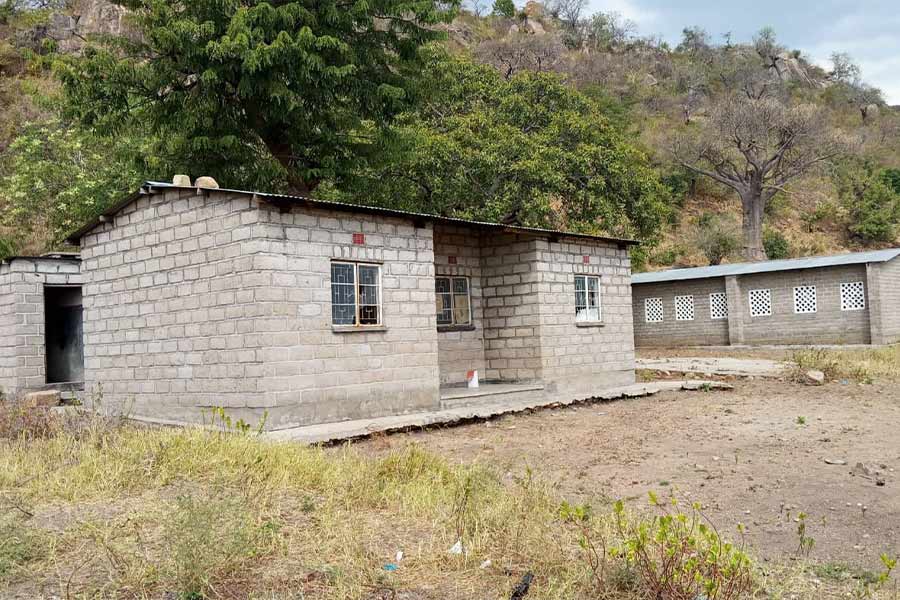
As dawn breaks over Njalo Island on Lake Chilwa under Traditional Authority Chiwalo, in Phalombe District, fishers push their wooden boats into the water. From a distance, the island presents a picture of tranquility—calm waters, green vegetation and a close-knit community. However, beneath this serene landscape lies a story of neglect, hardship and extraordinary resilience.
For the people who call Njalo Island home, every day begins with uncertainty.
A simple illness can become a medical emergency. A child eager to learn must overcome obstacles that many of their peers on the mainland never face. Expectant mothers live with the anxiety that help may be hours away when labor begins. For many residents, access to basic services that most Malawians consider routine remains out of reach.
"We have lived here for many years, but it often feels as though we have been forgotten," says one resident. "We are Malawians too, yet our lives are very different because essential services are so far away." Lamented Khuliwa.
Pemphani Khuliwa is one of the fishers. He feels the islanders are needed during elections. He said all the necessary voting materials are ferried to island without fail, however, when it comes to provision of basic needs, it becomes a burden to authorities.
The absence of a fully equipped health facility is among the island's greatest challenges. Whenever someone falls seriously ill, the only option is to cross the water to the mainland. During calm weather, the journey is difficult enough. During storms or at night, it can become impossible.
Residents recount heartbreaking stories of patients whose conditions deteriorated while waiting for transport and of pregnant women who endured dangerous journeys in search of skilled medical care. Community members say emergencies often become races against time.
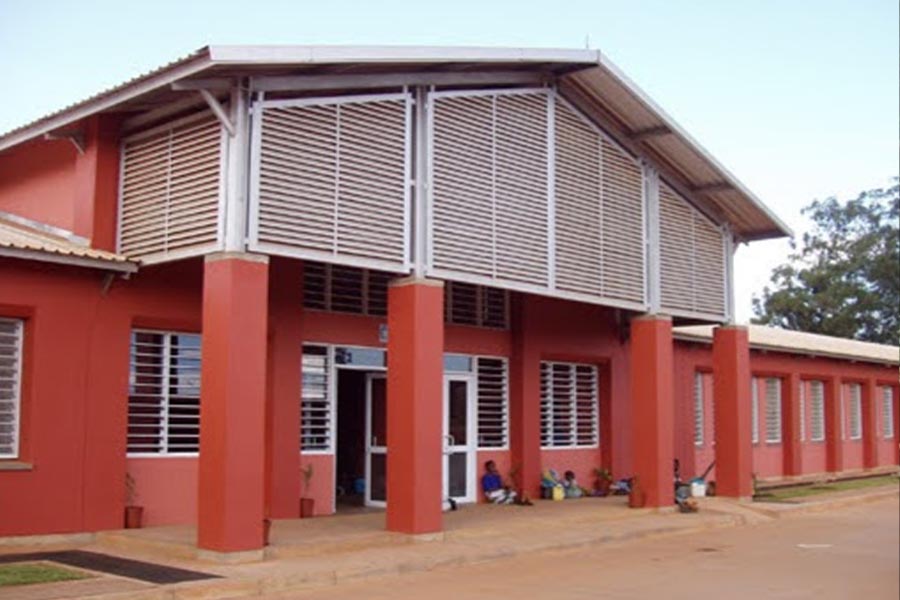
Brenda Khanya said the Njalo health post on supports under-five children. Khanya said despite having the facility there are no medical drugs.
“If the baby or an adult, we go the mainland at a distance about 20 kilometers to get to Nambazo health centre which is costly,” said Khanya.
Director of Health and Social Services for Phalombe District Council, Dr. Sam Sibakwe, said his office has scheduled outreach clinics starting this month to address the challenges on the island.
Education tells a similar story.
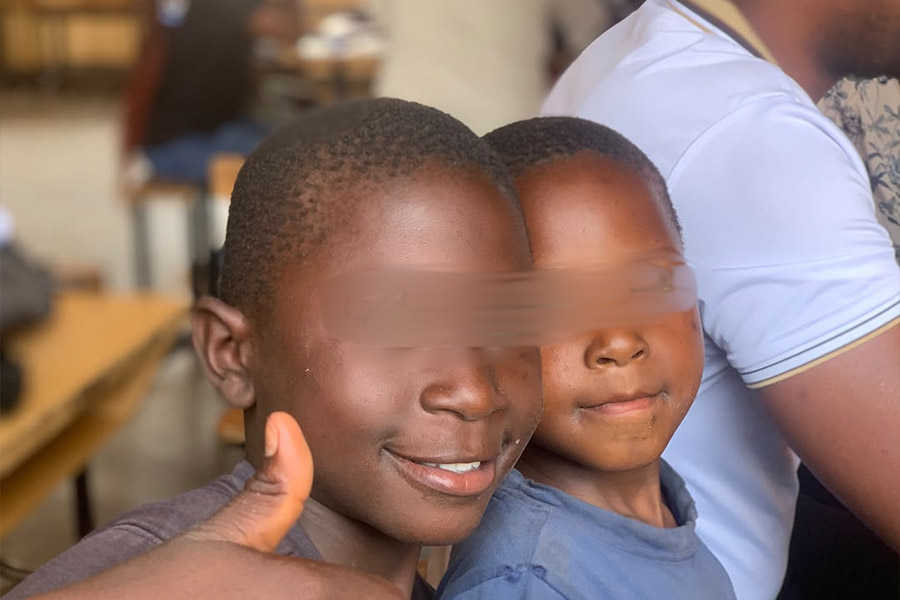
Although children value schooling, learning is made difficult as the island has education facilities, limiting their opportunities to build better futures.
Water is another daily struggle.
Many households rely on unsafe or unreliable water sources, exposing families to waterborne diseases. They fetch water from the lake.
Transport remains the community's lifeline—and its greatest vulnerability.
Boats are the only reliable means of reaching the mainland. Yet strong winds, heavy rains and rising water levels can cut the island off completely, delaying access to healthcare, markets, schools and government services. For families facing emergencies, every cancelled trip comes at a heavy cost.
Despite these obstacles, the people of Njalo Island have refused to surrender to despair.
Fishers venture onto the water each morning to provide for their families. Parents make sacrifices to educate their children, believing that education offers the best hope of breaking the cycle of poverty.
Village leaders continue appealing to authorities and development partners for investments that could transform life on the island. They say the community's priorities are straightforward: a functioning health Centre, improved schools, access to clean and safe water, reliable transport, and stronger communication networks.
Village headman Chalera said he has no any words to add on what his subjects expect asking politicians to live to their promises.
District Commissioner for Phalombe District Council, Yobu Makina Gama, referred us to the Constituency Development Committee (CDC) for Chiwalo, Lazarus Mapeto, assured people of Njalo Island that they have included a number of development initiative in 2026/2027 financial year.
Mapeto said the committee want to see the health post run by a clinician who will be operating on the Island besides constructing a police post to enhance security there.
Development experts argue that equitable development requires ensuring that even geographically isolated communities receive essential public services.
Remote location should not determine whether citizens could access healthcare, education or economic opportunities.
For the people of Njalo Island, these are not abstract policy discussions. They are questions that shape daily life.
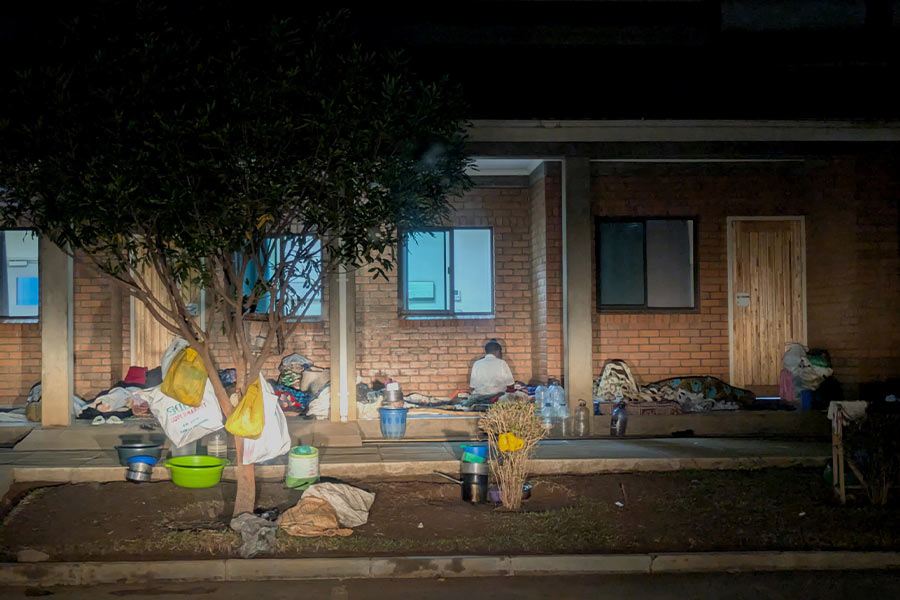
Every delayed medical trip, every child studying under a flickering lamp, every family waiting for a boat to cross-dangerous waters reflects the consequences of living without adequate social amenities. As Malawi advances its national development agenda.
The story of Njalo Island serves as a reminder that progress cannot be measured only by what is built in urban centres or along major roads. It must also be judged by whether communities hidden beyond the shoreline are seen, heard and included.
Until that happens, Njalo Island will remain a place of remarkable resilience—but also a powerful symbol of the development gap that still separates many rural communities from the basic services they need to thrive.