





ZODIAK ONLINE
ArtBridge House, Area 47
Sect. 5, P/Bag 312
Lilongwe, Malawi
Sect. 5, P/Bag 312
Lilongwe, Malawi

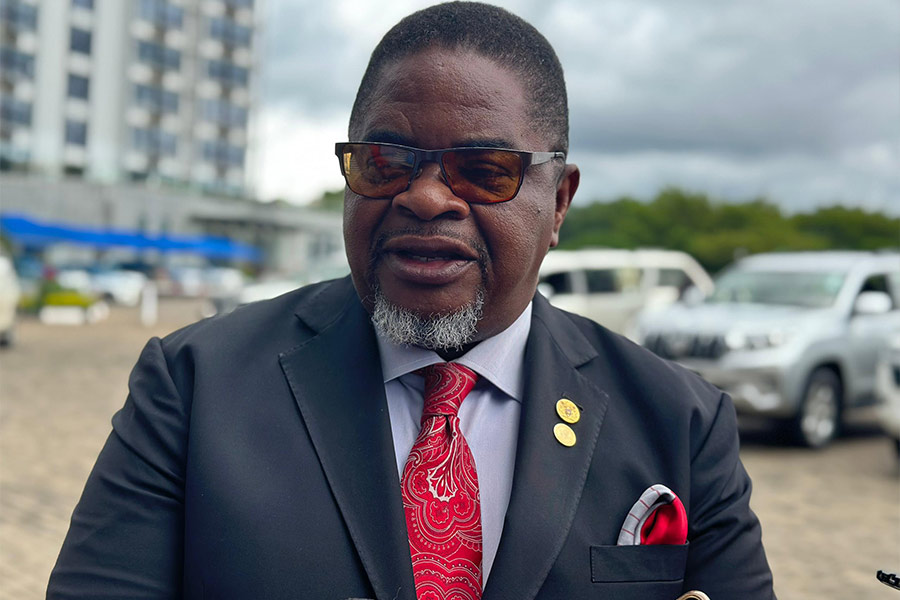
More than one million adolescents in Malawi remain out of school, with fewer than one in five children achieving age-appropriate literacy, UNICEF has warned.
The stark figures set the tone for the Joint Sector Review (JSR) High-Level Meeting in Lilongwe on Friday, where government and partners pledged bold reforms and financing to rescue the country’s education system.
UNICEF Representative Dr. Penelope Campbell said high dropout and repetition rates are draining resources, while climate shocks and food insecurity deepen inequities.
“Access alone is not enough; reforms must be matched with efficient spending, strong systems, and a relentless focus on learning,” she told delegates.
Campbell praised Malawi’s recent strides, including free secondary education, the introduction of P-Class for early learners, and the government’s proposal to allocate 20 percent of the Constituency Development Fund to education.
Education Minister Bright Msaka acknowledged the challenges but said the mid-term review of the National Education Sector Investment Plan (NESIP 2020–2025) had produced encouraging outcomes.
He pledged that the next phase (2026–2030) would focus on dismantling barriers to learning, improving teacher quality, and expanding skills development.
“Our goal is clear: to develop a realistic roadmap that translates NESIP priorities into concrete results,” he said, “The commitments we deliberate upon will define the success of the remaining period of NESIP.
He said the goal is to develop a realistic roadmap that translates NESIP priorities into concrete results that expand equitable access to quality education, strengthen resilient and inclusive learning environments, and build a capable, well-supported teaching force.
“We are aiming for results that advance our nation’s human capital development goals and equip young people with the technical and vocational skills needed for socio-economic transformation,” added Msaka.
Three “Game-Changers” for Education
Campbell outlined three priorities she described as “game-changers” for Malawi’s education future, including universal early childhood education — making pre-primary education free and compulsory for all five-year-olds to boost literacy, numeracy, and long-term human capital.
She also mentioned sustainable free secondary education — ensuring quality does not decline as access expands, supported by technical assistance from the EU and World Bank, and strengthened vocational pathways for youth employment.
Further she stressed on increased and efficient financing — protecting and expanding the education budget, prioritizing cost-effective interventions such as foundational learning and teacher development, and improving governance and accountability.
At the meeting, both government and partners emphasized that Malawi’s education reforms are central to achieving the country’s long-term development vision, Malawi 2063.
The meeting called for renewed collaboration, resource mobilization, and accountability to ensure every child has access to quality learning opportunities.
“Together, through smart reforms and sustainable financing, we can turn these priorities into lasting change for Malawi’s children,” Campbell concluded.