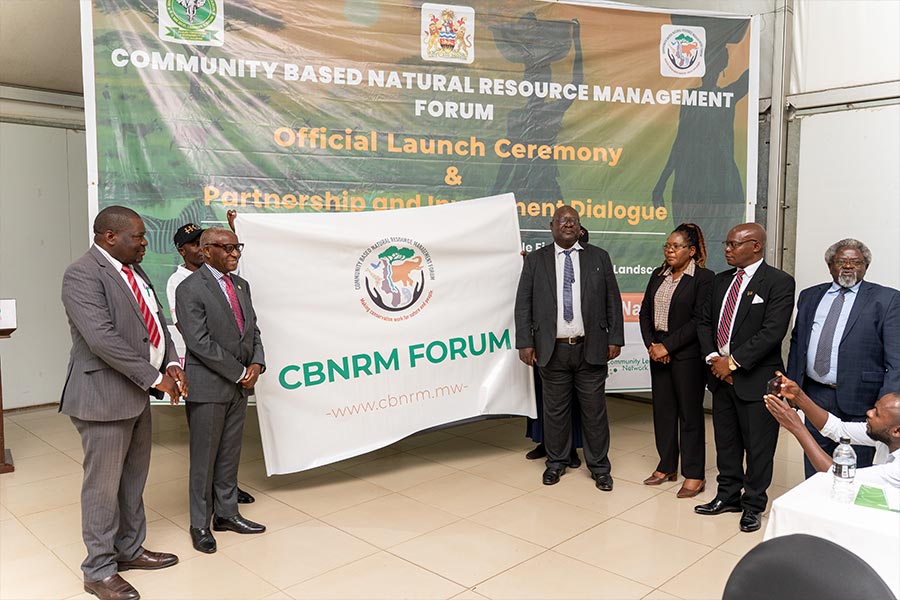


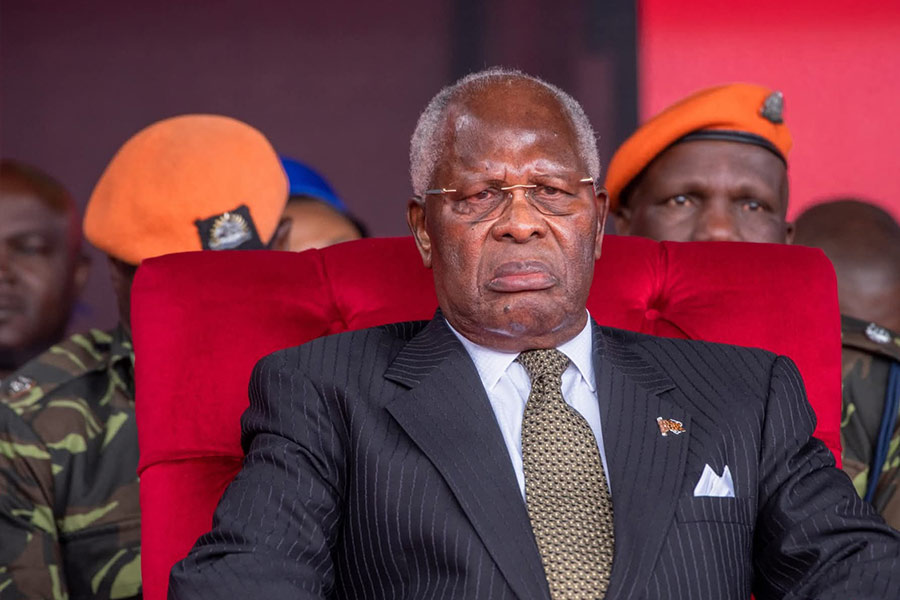
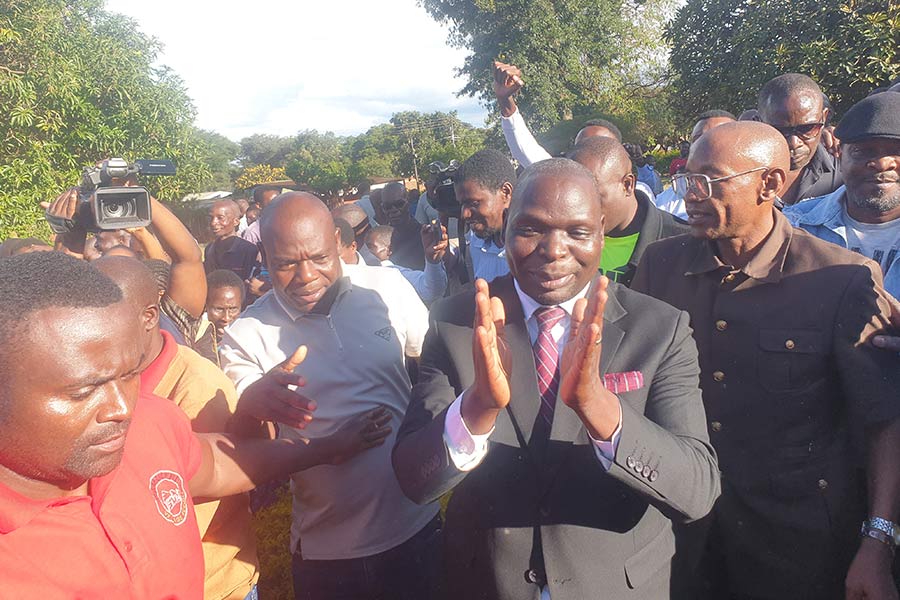
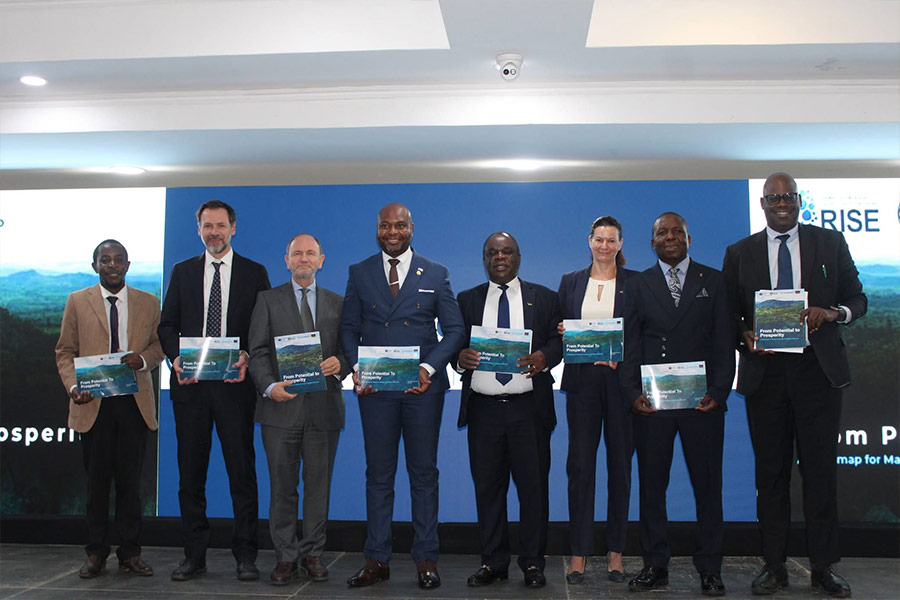




The Japanese government has handed over the newly constructed Lilongwe Main Bridge and the upgraded M001 road, urging Malawi to protect and maintain the multi-billion-kwacha infrastructure for future generations.
This investigation uncovers syndicates operating within public wards, where "free" treatment is sold to the highest bidder while the poor are forced to wait, and even die.
By a Collaborative Team of Investigative Journalists in Malawi
On paper, the promise is unequivocal: Malawi’s public hospitals offer free healthcare for all. It is a covenant between the state and its citizens, designed to protect the vulnerable from the financial catastrophe of illness.
In practice, however, this promise has been quietly dismantled. Across the country, from the sprawling wards of Queen Elizabeth Central Hospital (QECH) to the remote shores of Likoma, access to life-saving treatment is increasingly governed by an invisible tariff system. It is a shadow economy that rewards those who can pay and ruthlessly abandons those who cannot.
Zimbabwe has reaffirmed its commitment to regional solidarity by donating a second tranche of humanitarian aid to Malawi, as the country battles food insecurity caused by prolonged dry spells.
In Malawi, sending parcels through public transport (minibuses and taxis), popularly known as zobanduka, remains a preferred option for many. For Emily Chikopa, a resident of Thyolo Boma, using minibuses to send parcels — regardless of the route — is fast and convenient.
“You just exchange contacts with drivers. The driver calls the receiver to wait at the bus stage or depot. Not long after, the parcel reaches the receiver,” she explained.
Page 2 of 60